WE'R FOUNDED! 1949
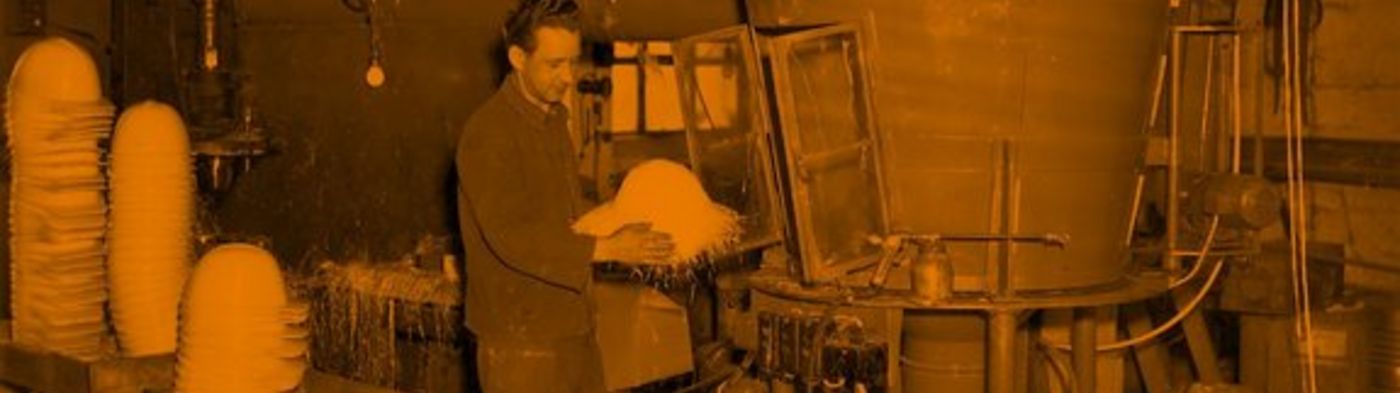
"Autumn 1949 - it's almost impossible to describe the mood in ourselves and in the population in words. Everywhere there was a euphoric mixture of liberation, catastrophe and a spirit of optimism," says Helmhold Schneider, as if it were yesterday.
"It was on a sunny autumn day in 1949 when my father seized the opportunity and acquired a company in Altenkirchen with four plastic Bakelite presses. He was firmly convinced that the future belonged to synthetic plastics, as raw materials such as wood and iron were rare and expensive at the time. He also saw a major advantage in the molecular, specific design of their areas of application. These visions and the purchase laid the foundations for WERIT-Werke.
The acquisition of the plastic Bakelite presses was linked to orders for a global electrical group Voigt & Häfner in Frankfurt. However, the joy of being able to supply this large corporation did not last long for us, because a year later the company cancelled the orders in order to produce in Holland itself.
I decided to create my own range of electrical connection elements so that I would never again be dependent on a single customer.
"The fascination of creating something new from synthetic plastics is still the foundation of the company philosophy today and is in the blood of the entrepreneurs."
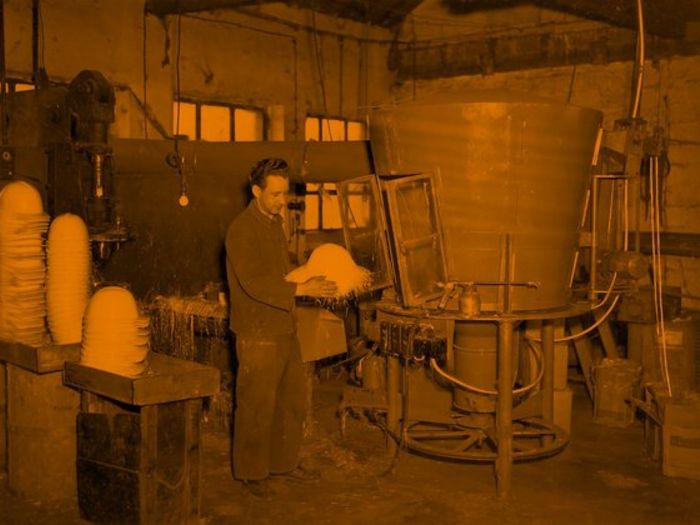
In the meantime, the trend in plastics processing was towards injection moulding and a range of thermoplastics. I acquired some injection moulding machines and looked for companies where conventional materials could be substituted by plastics, and so in 1964 I produced the one millionth plastic cistern. But even before that, in 1953, I received an invitation from Bayer-Werke to go on a study trip to the USA and visit companies in the automotive industry that produced particularly light but extremely strong car body parts made of glass fibre. Back in Germany, I developed a machine with which moulded parts such as safety helmets could be produced and applied for a patent. It was a huge success that laid the financial foundation for the company's further expansion. I invested in larger injection moulding machines, e.g. for bottle crates, and in the construction of the largest blow-extrusion machine to date for plastic tanks with a filling volume of over 5,000 litres.
"We are always reinventing ourselves - that has always been the case"
With a sure instinct for future-oriented products, we developed our 1,000 litre container on a pallet at the end of the 1970s. The so-called IBC (Intermediate Bulk Container). It replaced the previous steel containers and within the following ten years a gigantic IBC market emerged.
My sons Ekkehard and Jörg followed me into the company in 1982 and 1994 and became partners.
We established further sites throughout Europe and developed into a plastics specialist. Even today, we are already thinking about tomorrow, not standing still and constantly reinventing ourselves, because that has always been the case.
Foundation
The engineer Wilhelm Schneider and his son Helmhold Schneider acquire a small production facility on Kölner Straße in Altenkirchen and found the company WERIT Kunststoffwerke W. Schneider.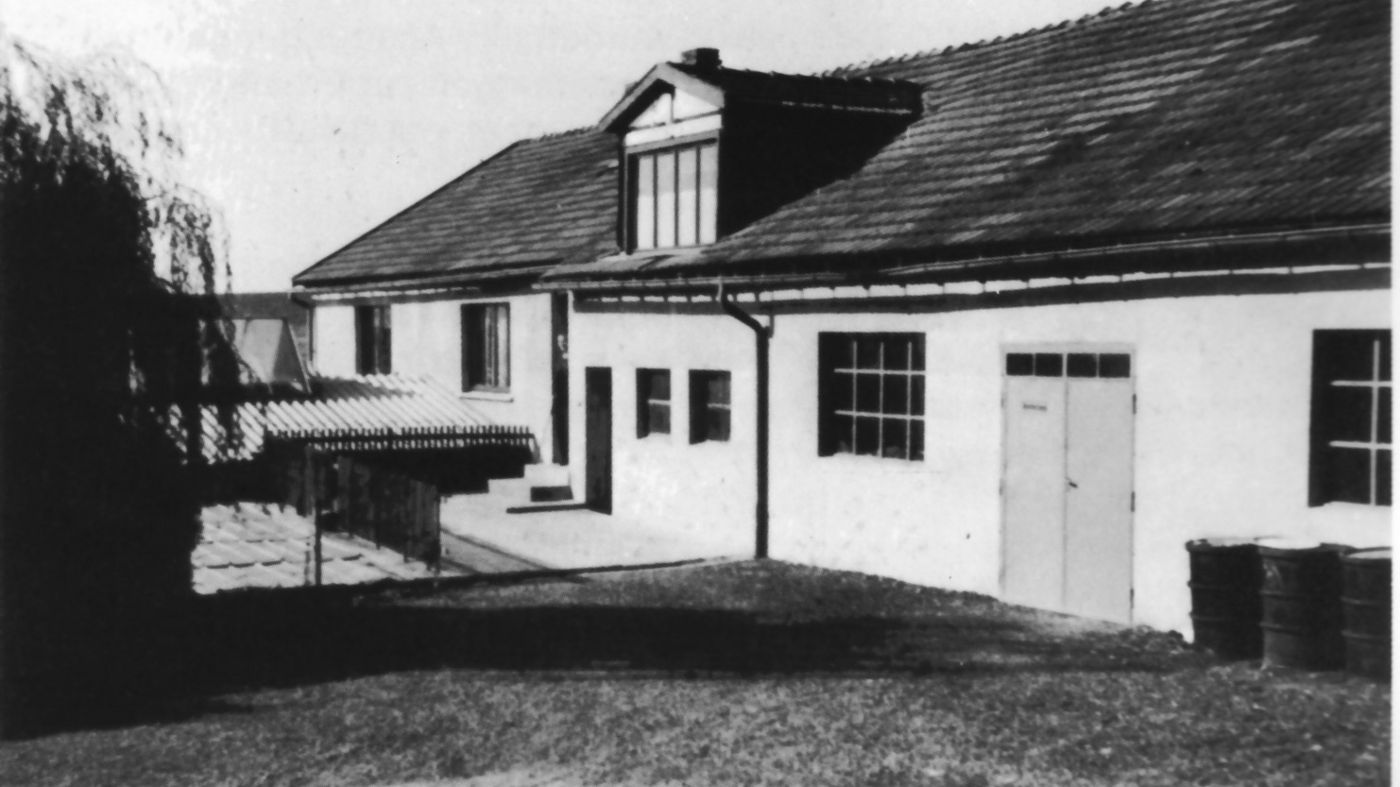
Pressing plant Schneider
Due to the excellent insulating properties of the plastics, products were initially manufactured for the electrical industry. Thermosets - heat-resistant plastics known as Bakelite - were moulded under high pressure. This is why it is still referred to today as the "Schneider moulding plant". In the 1950s, the company built up its own production programme and developed its own in-house toolmaking department. This enabled new requirements to be realised flexibly and quickly.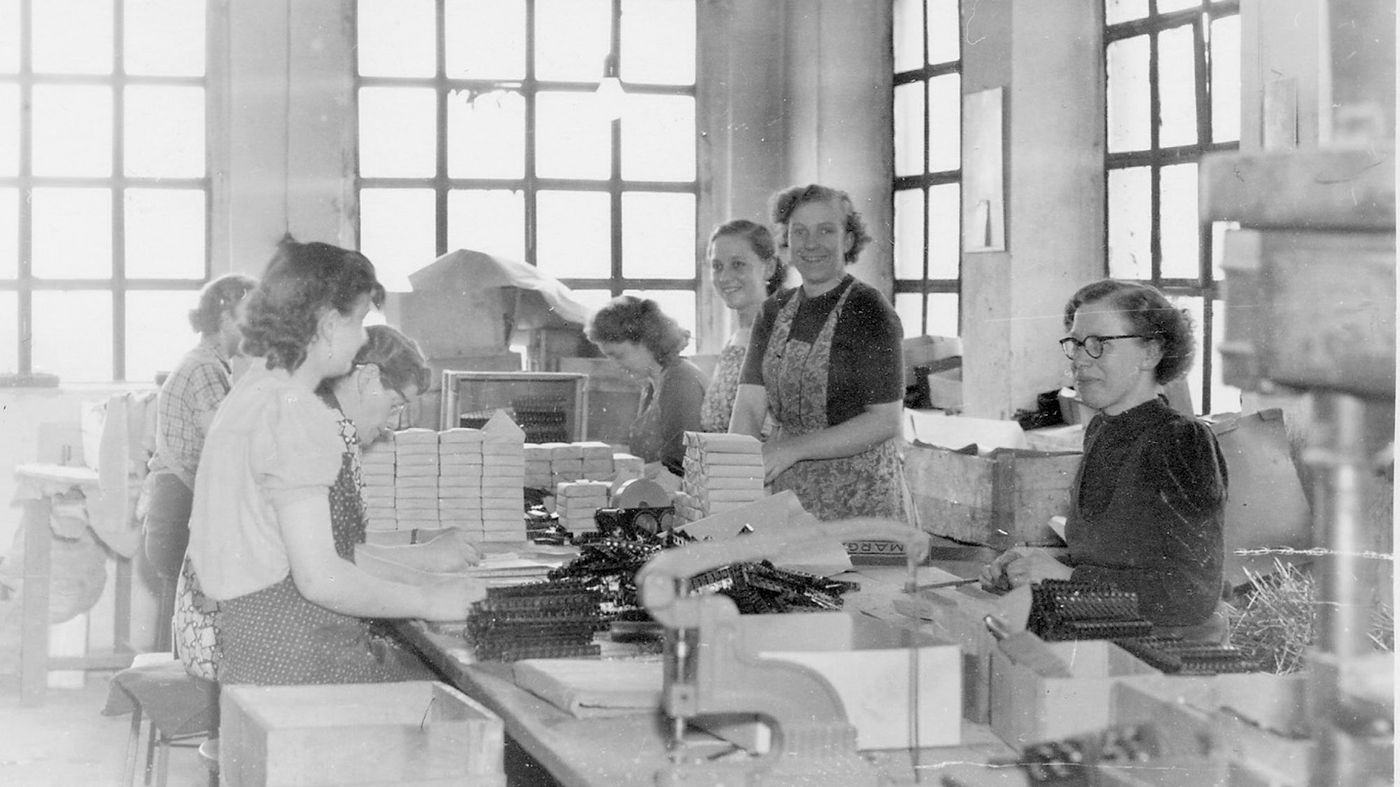
Westerwälder Kunststoffwerke
Helmhold Schneider and his cousin Willy Korf founded the Westerwälder Kunststoffwerke. Plastic canisters were produced using the extrusion blow moulding process.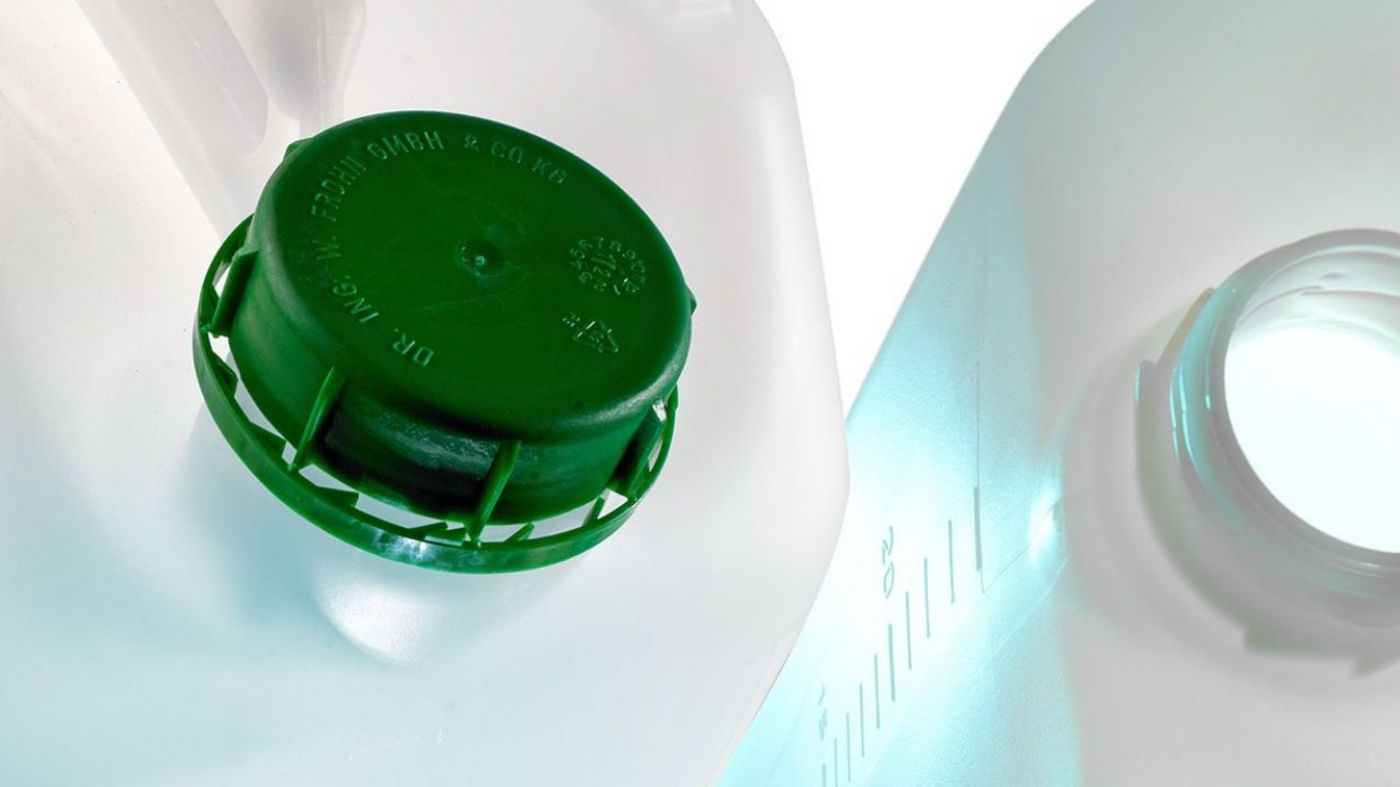
Expansion & product extension
Construction of a new hall for injection moulding machines, with which an article weight of up to 17 kg was achieved. This paved the way for the production of bottle crates as well as storage and transport containers. As a pioneer in this field, WERIT supplied dairies, breweries and customers in the fresh drinks sector.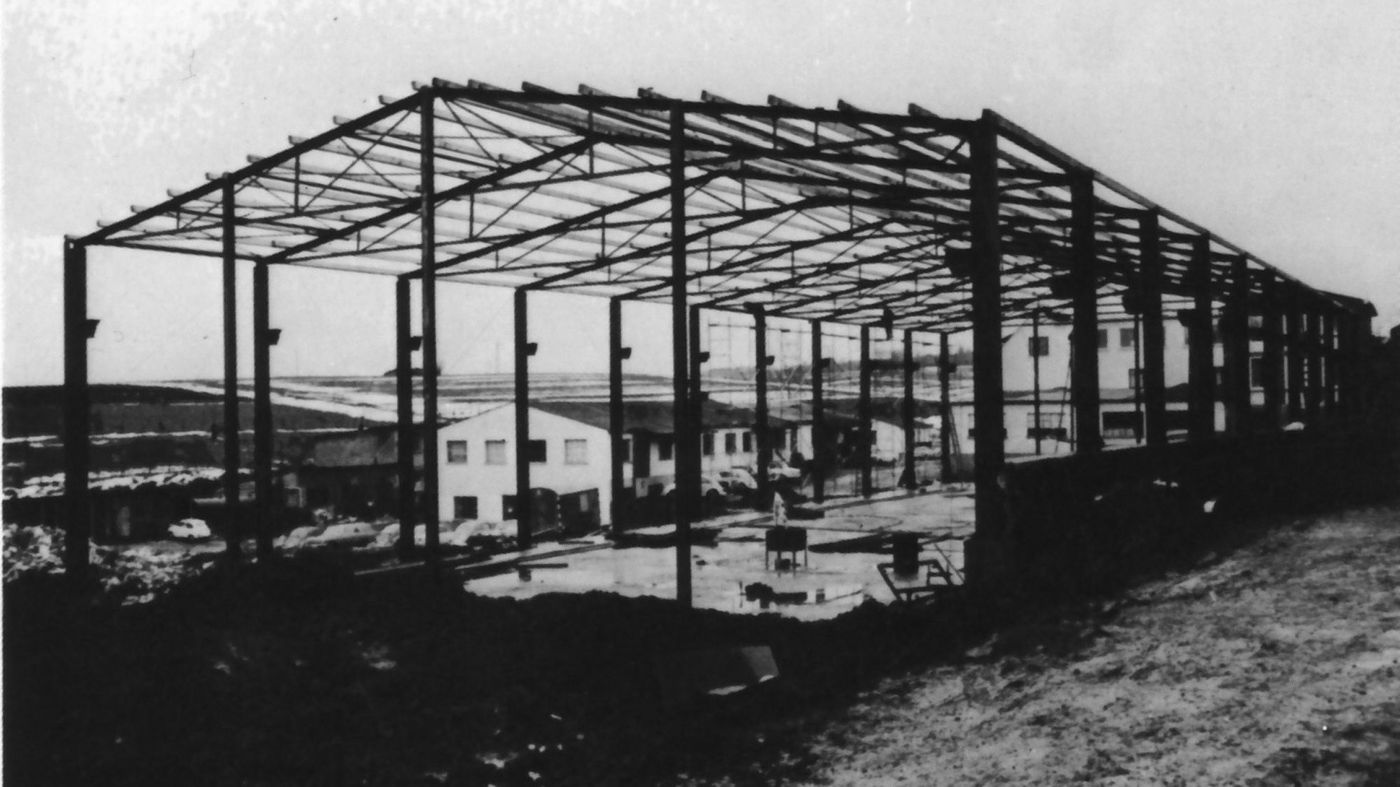
WERIT Austria
The Bludenz site in beautiful Vorarlberg (Austria) was established in 1969. Injection moulding and extrusion blow moulding have been taking place here ever since.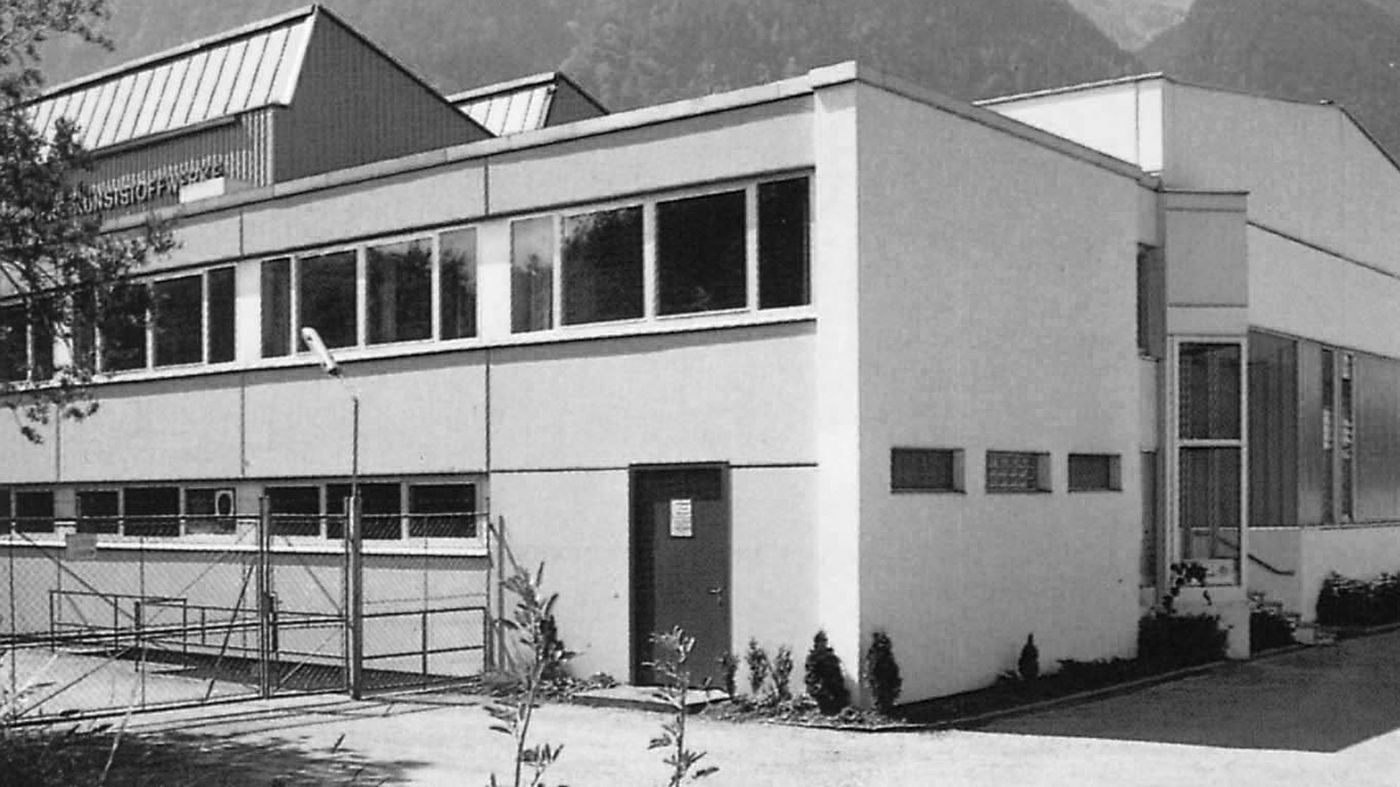
World first
At the ISH (International Trade Fair for Sanitation, Heating and Air Conditioning), WERIT will be presenting the largest heating oil tank ever blown in one piece with a volume of 2,000 litres.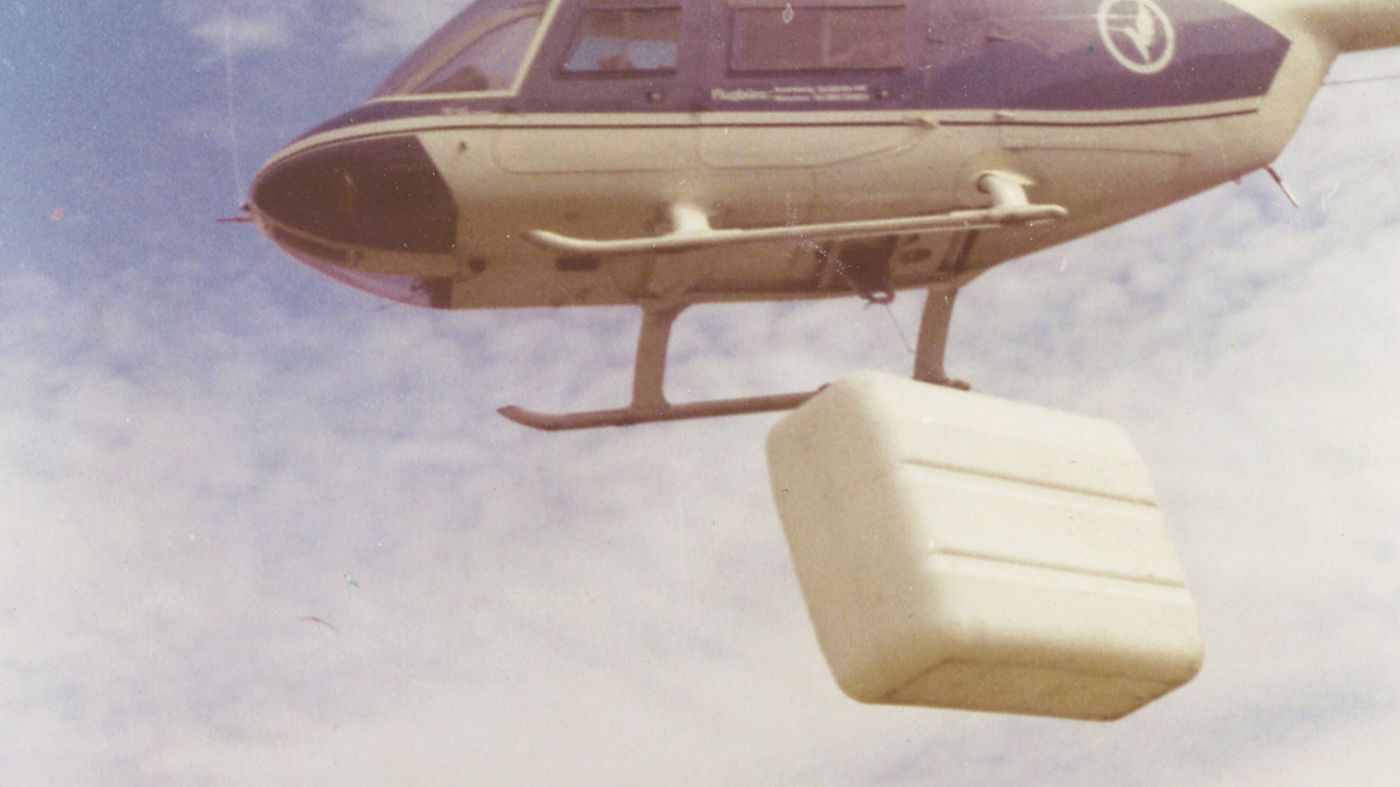
WERIT France
In the search for a suitable production site for heating oil tanks, a location was found in Wissembourg in Alsace. From here, the demand for plastic heating oil tanks in southern Germany, Switzerland and Austria was covered.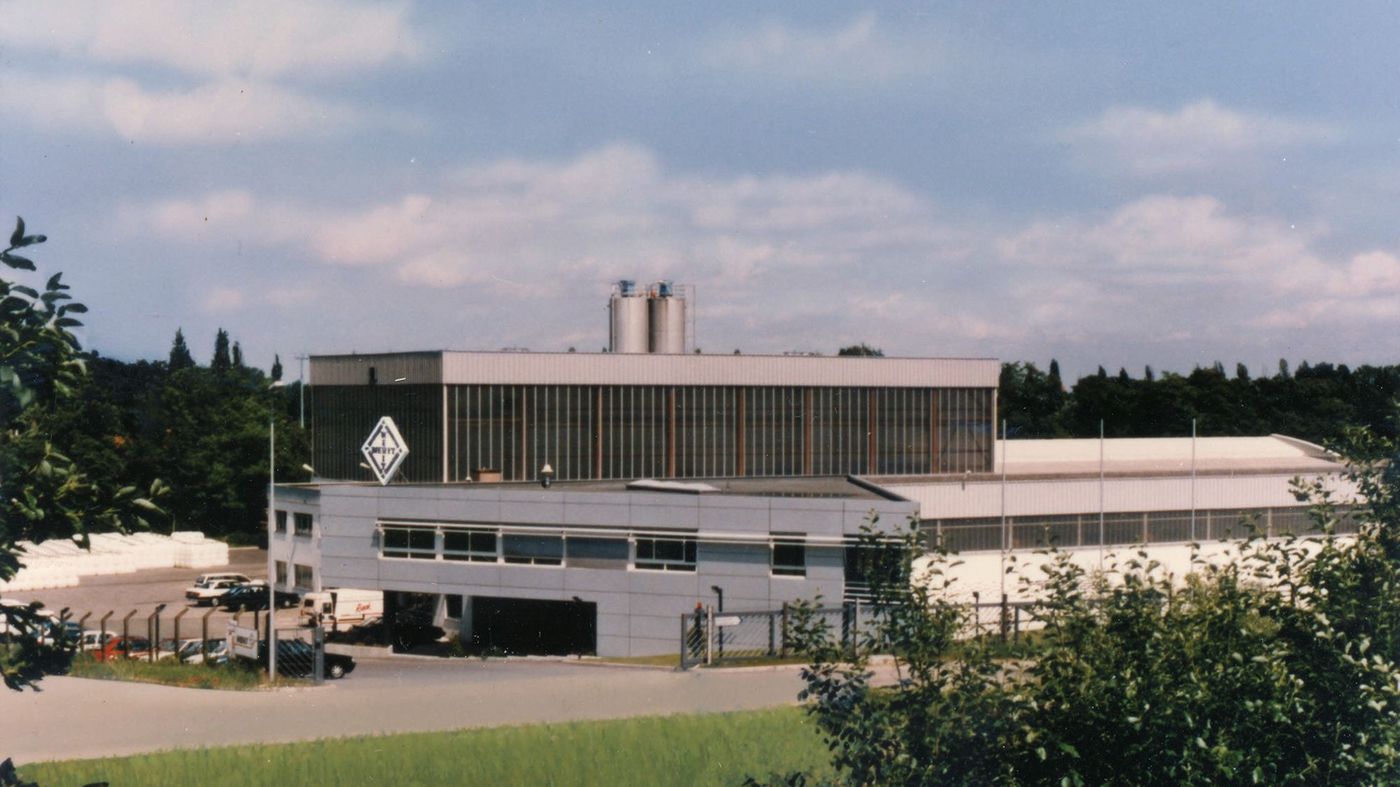
WERIT Switzerland
The acquisition of Isoplex AG paved the way for a European group of companies.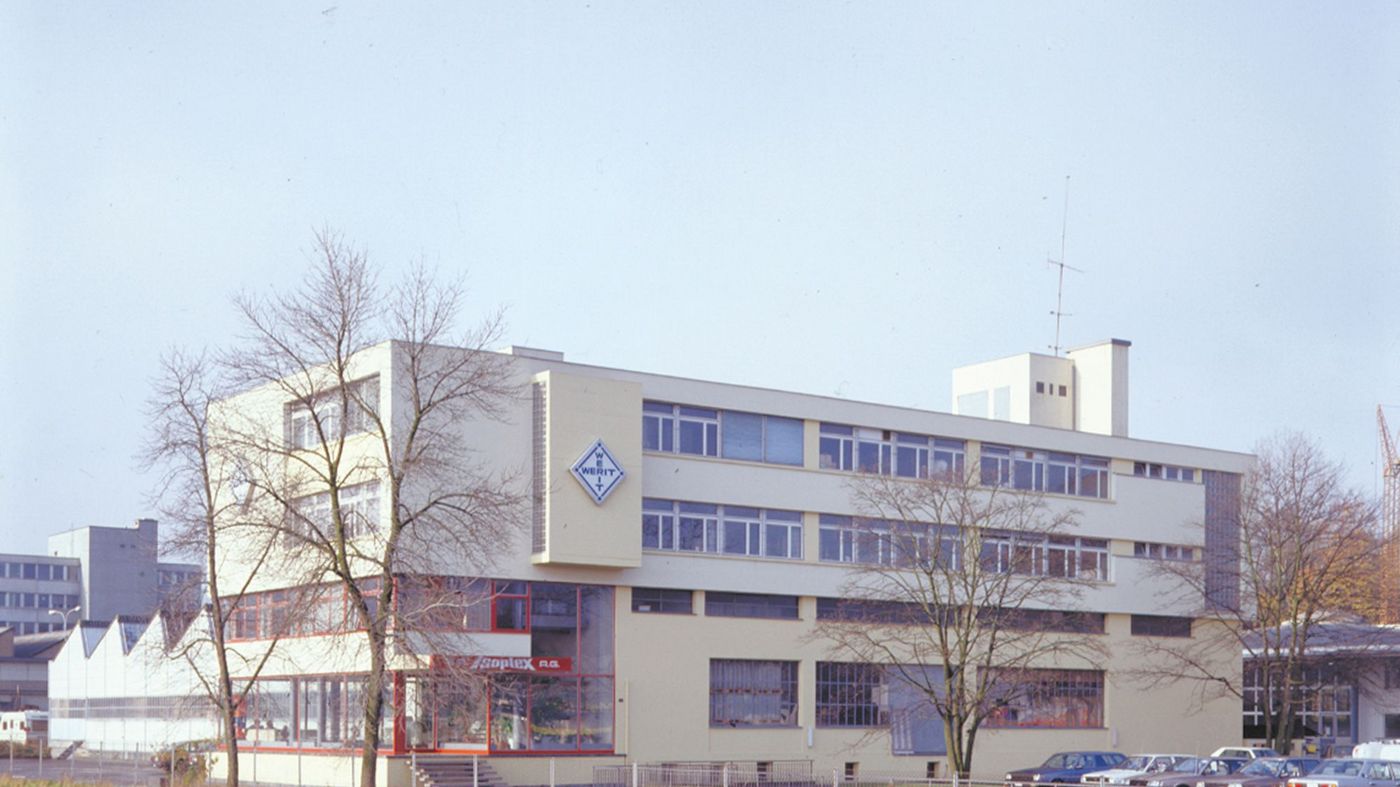
Stable size
The company built the largest extrusion blow moulding machine to date for the production of one-piece blown heating oil tanks with a volume of up to 5,000 litres. From development to production, everything was in one hand.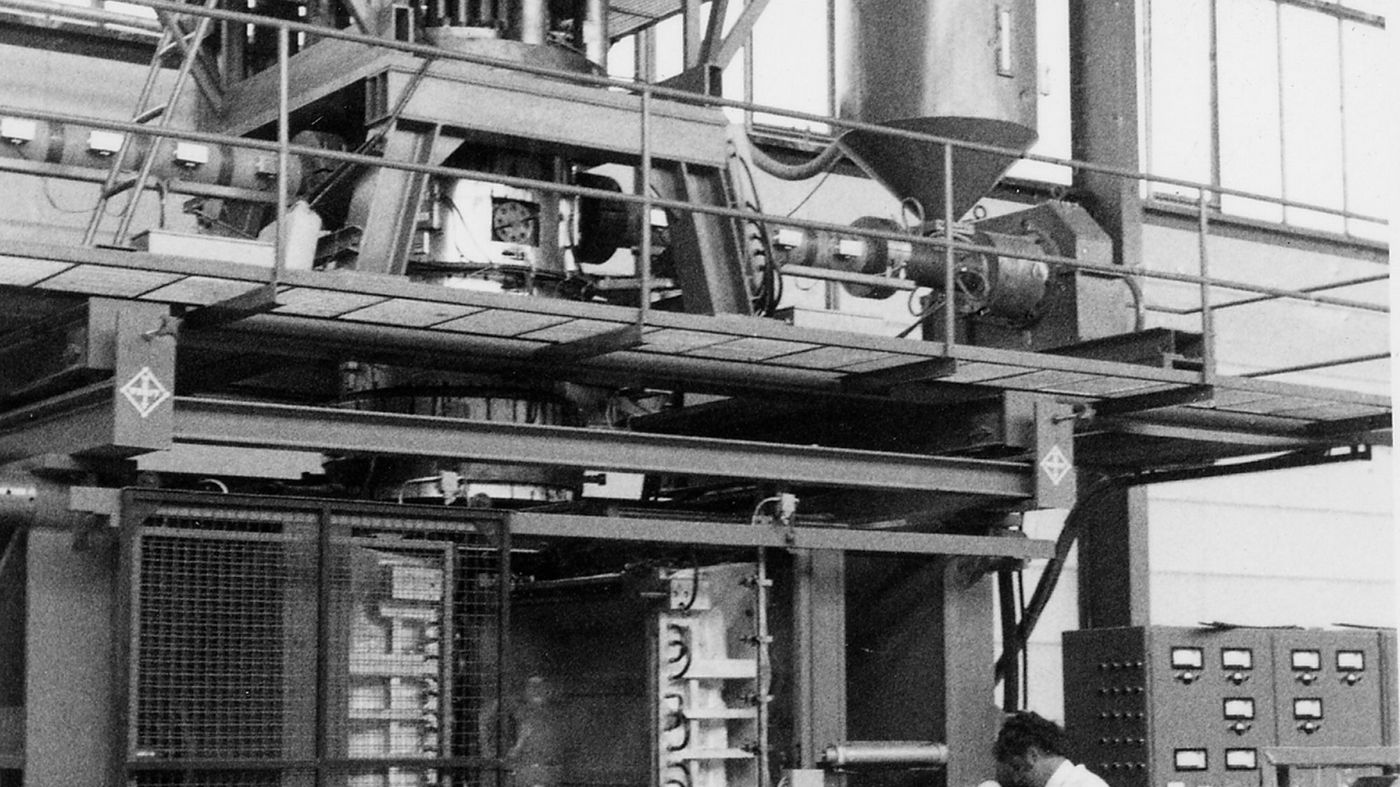
Josef Mohr GmbH
The WERIT Group was expanded through the integration of the Cologne-based company Josef Mohr GmbH.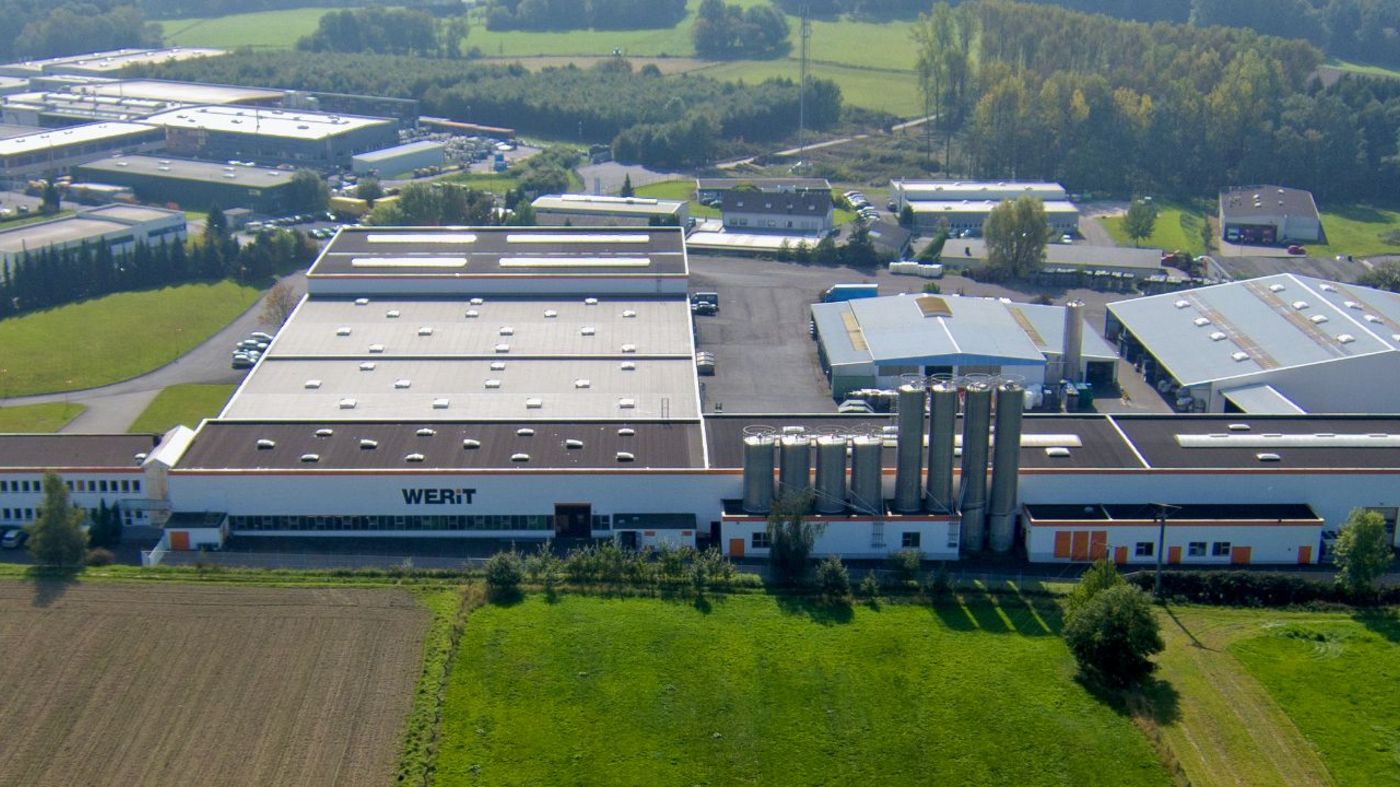
Start of IBC production
Start of series production of industrial pallet containers (IBCs). In containers of 600 to 1,000 litres, they enable the transport of liquid and pasty liquids. The IBCs are produced in accordance with legal requirements and are subject to constant testing by the official approval bodies. WERIT IBCs are approved for the transport of foodstuffs and hazardous goods.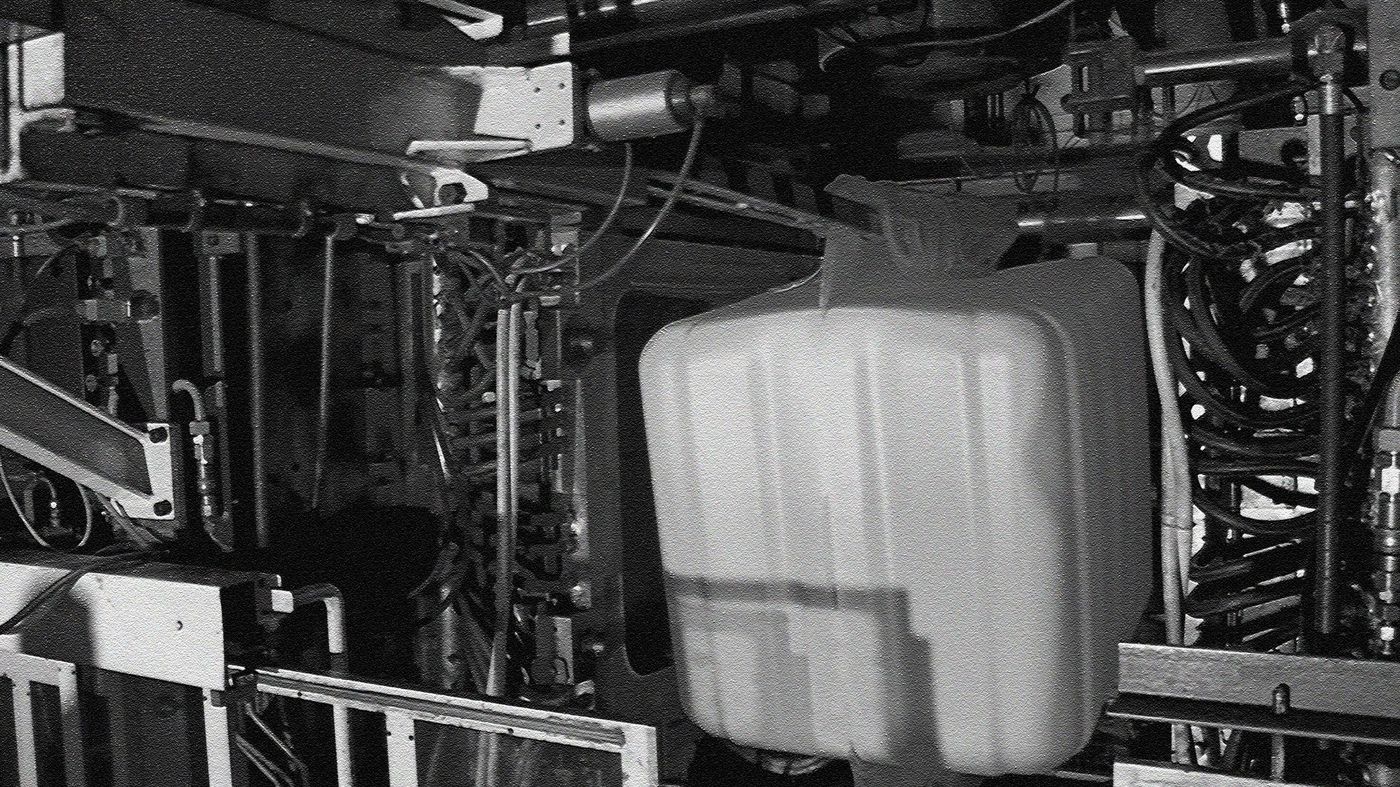
JOMO start-up
After the Cologne-based company Josef Mohr GmbH was incorporated into the WERIT Group in 1978, JOMO Sanitär-Kunststofftechnik was re-established in 1987.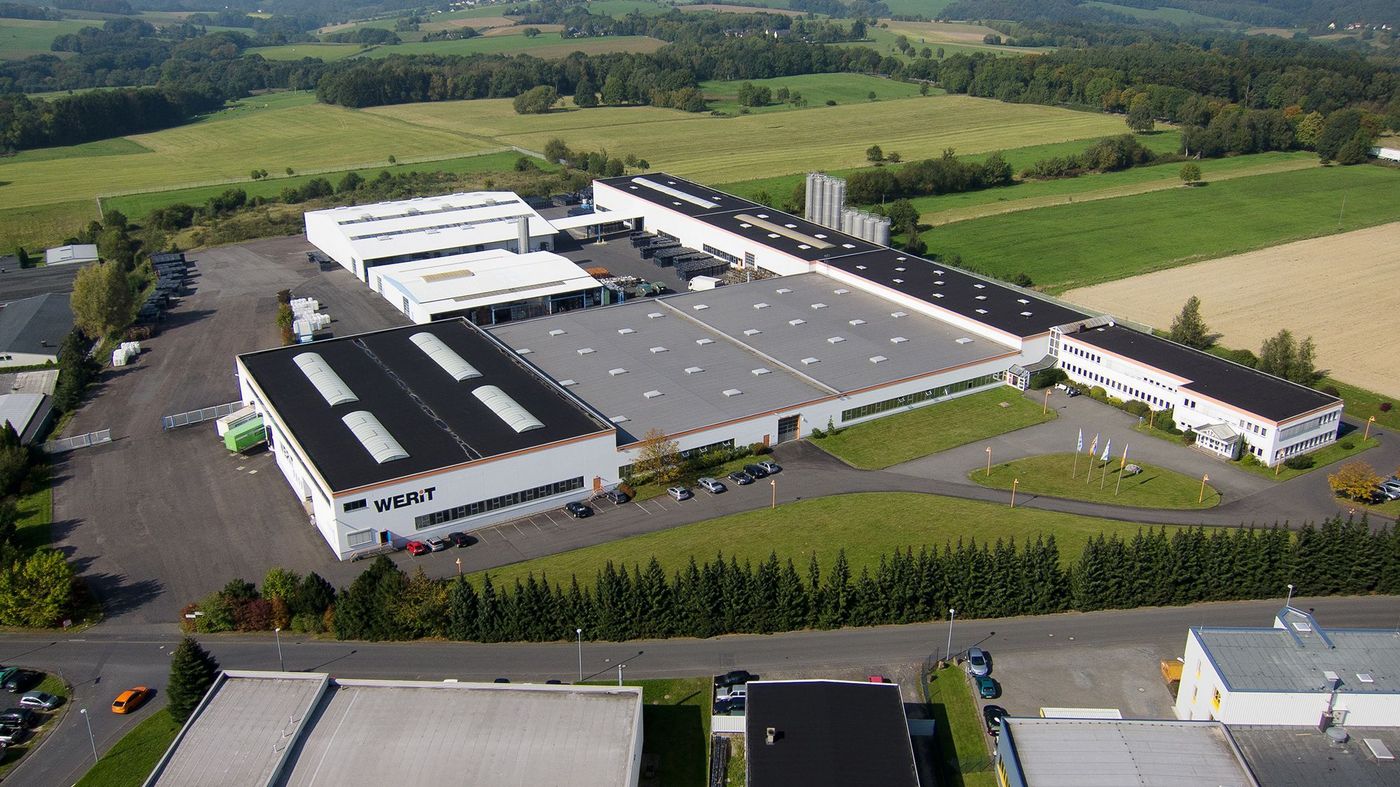
WERIT Saxony
WERIT was one of the first industrial companies to establish a branch in the new federal states, WERIT Kunststoffwerke Sachsen in Ottendorf-Okrilla.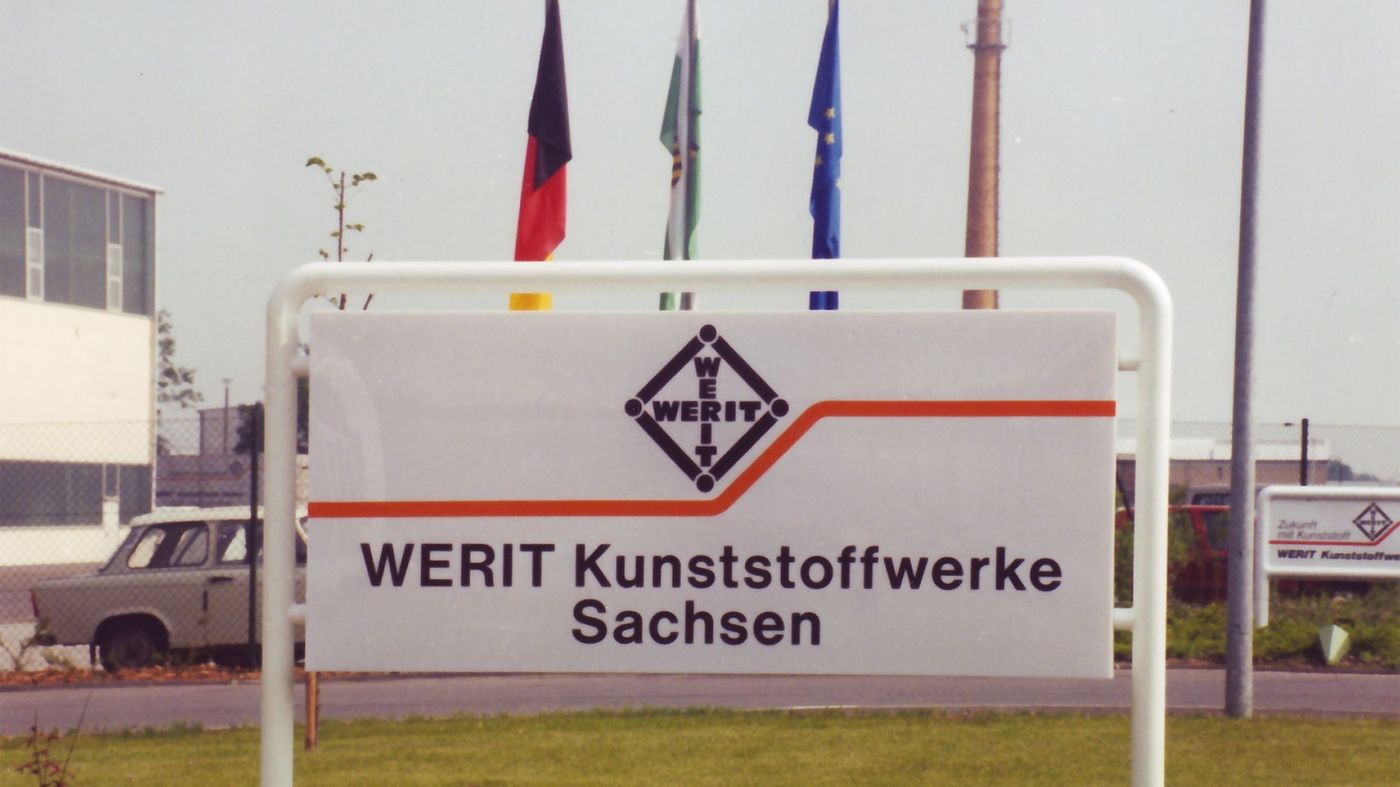
New assembly line
Commissioning of new assembly lines for container production in Wissembourg (France) and Altenkirchen (Germany).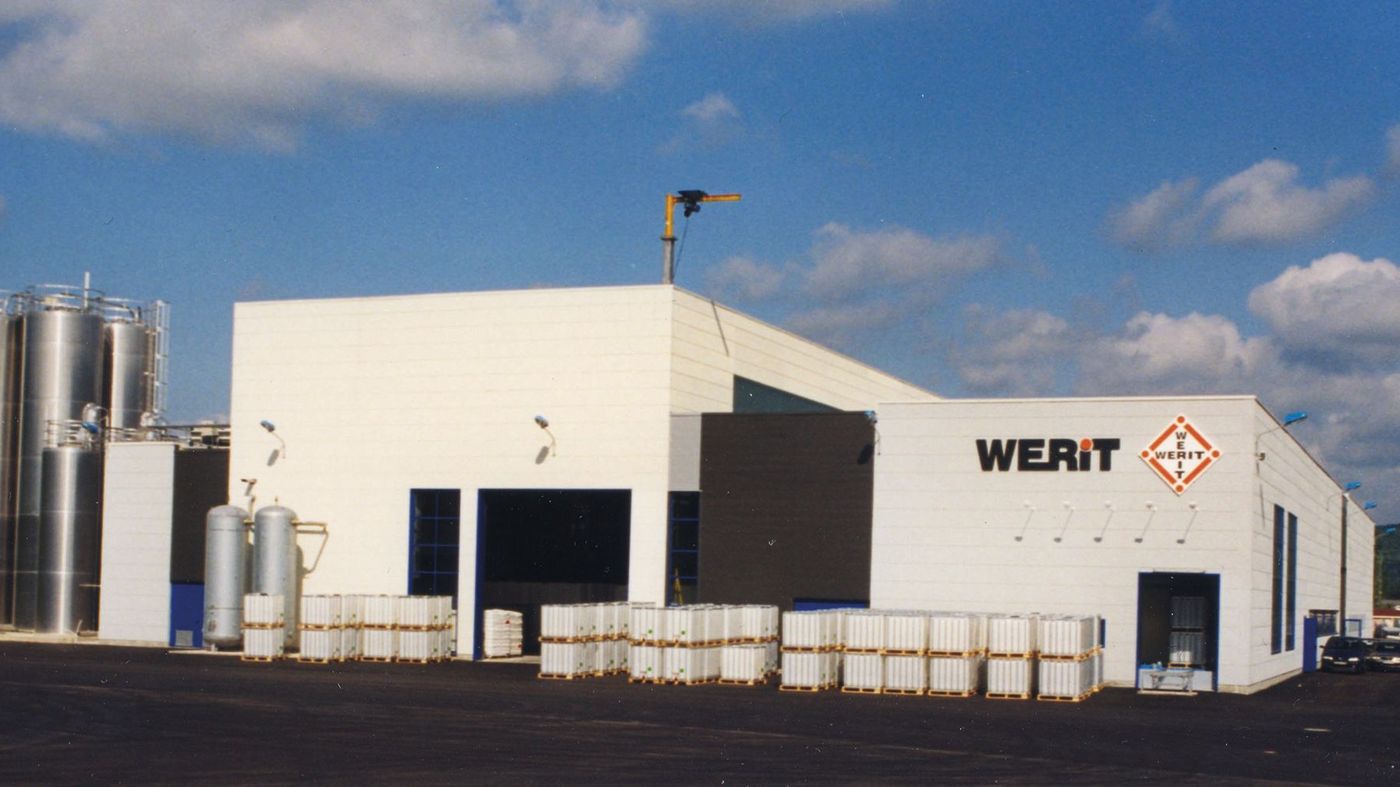
POLYex IBC
Development of the POLYex IBC with a dissipative plastic outer layer.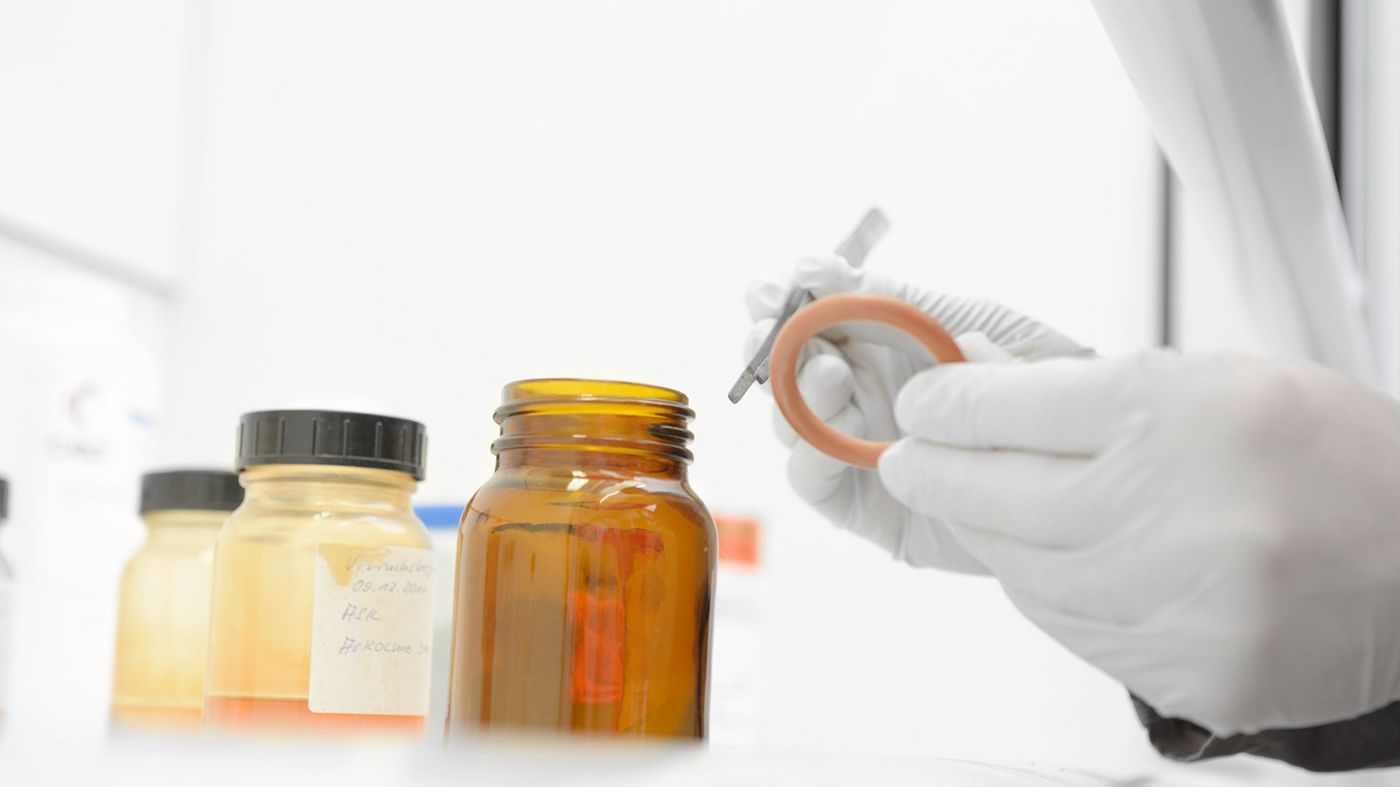
WERIT UK
The new plant in Manchester, Great Britain, is inaugurated.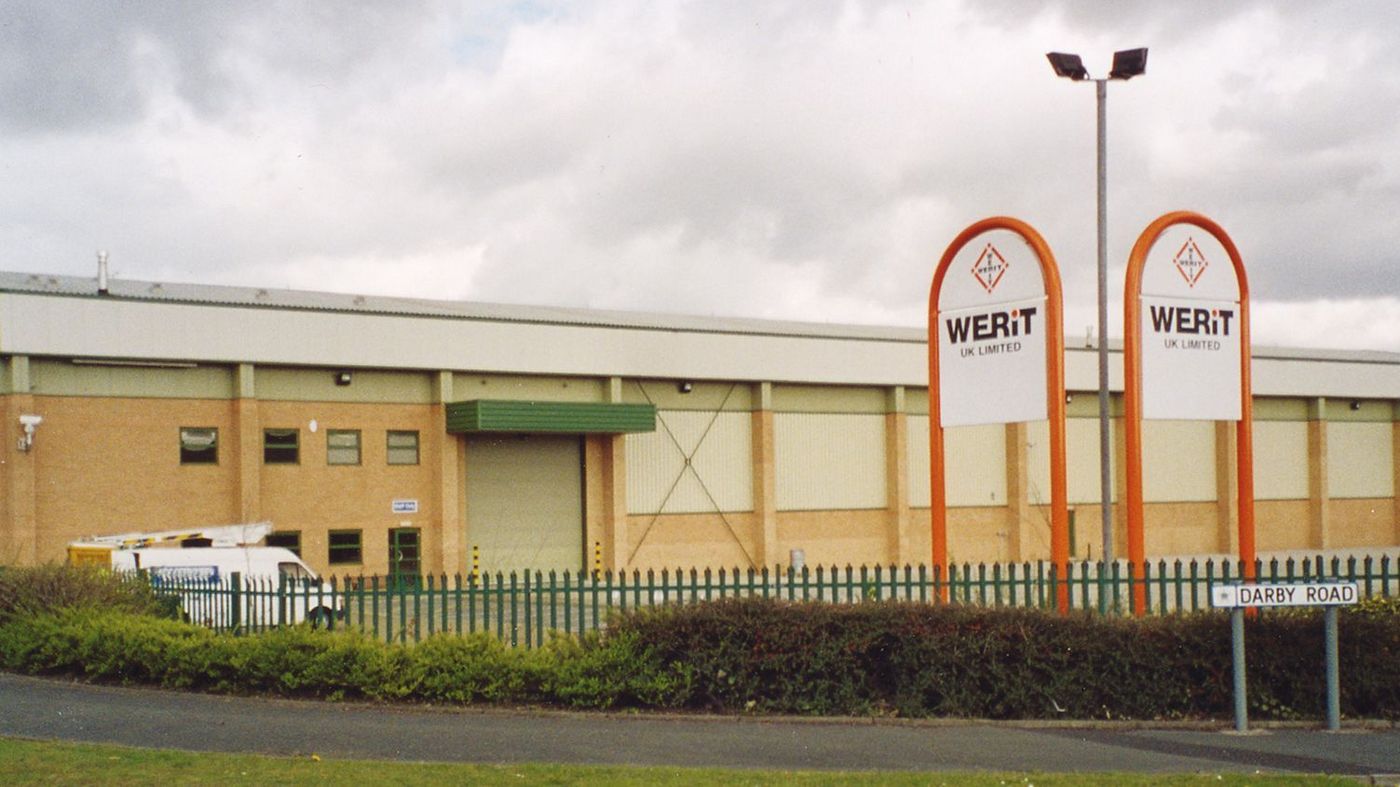
PACKONE
Foundation of PACKONE - system for the reconditioning of industrial packaging throughout Europe.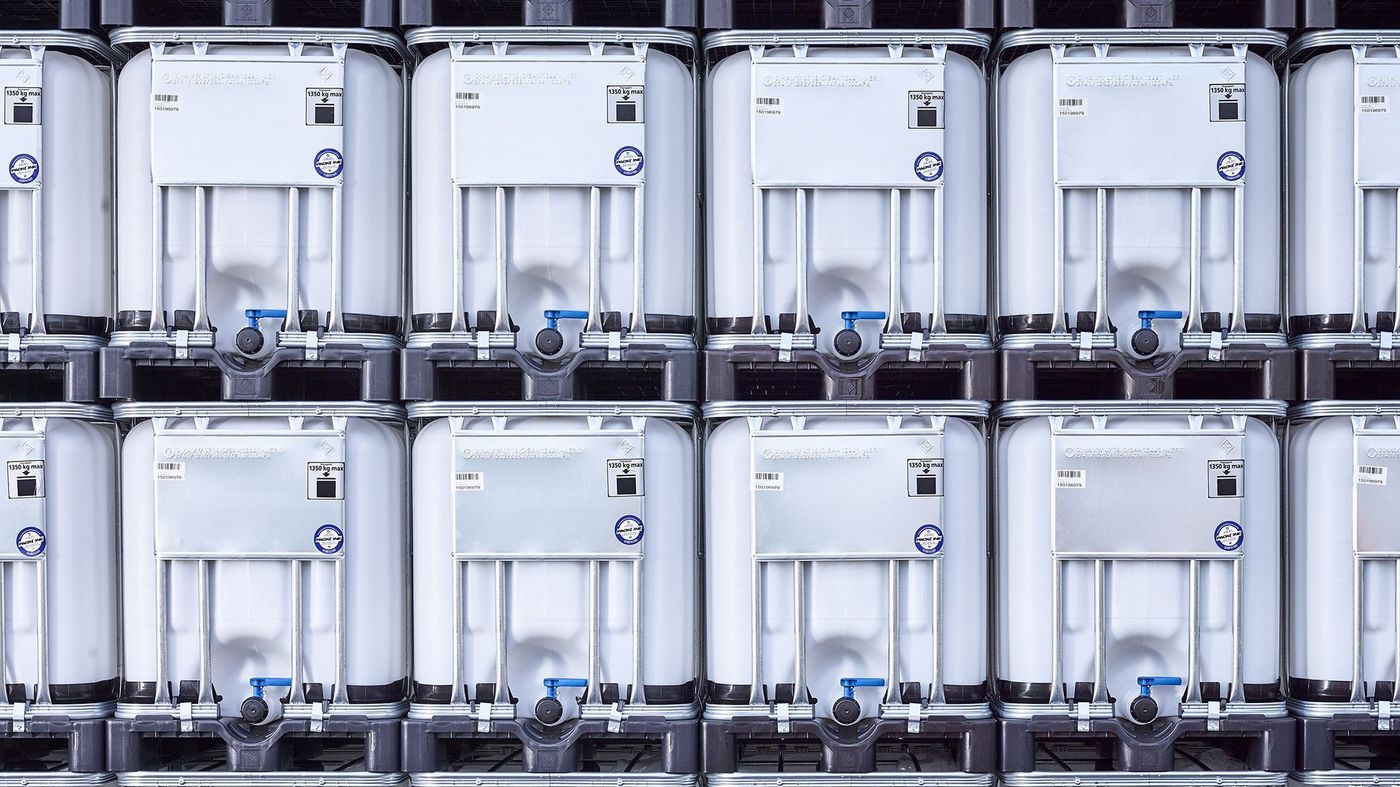
IBC accessories
New injection moulding machine at the Altenkirchen site with 160 t and 250 t clamping force for the production of IBC accessories.
Pallet production Altenkirchen
Construction of a large pallet injection moulding plant in a new production hall at the Altenkirchen site.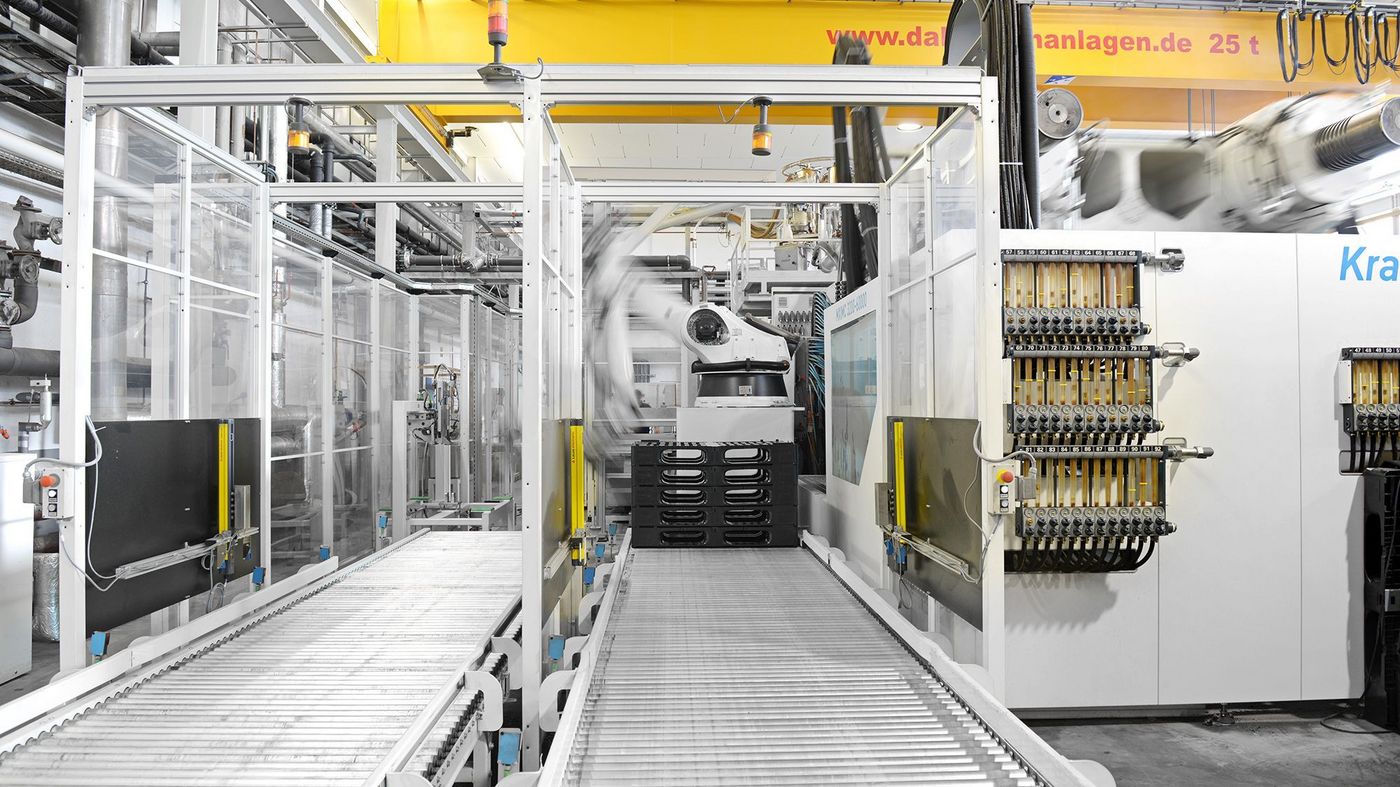
STERiline IBC
Development of the antimicrobial (self-cleaning) IBC, the STERiline.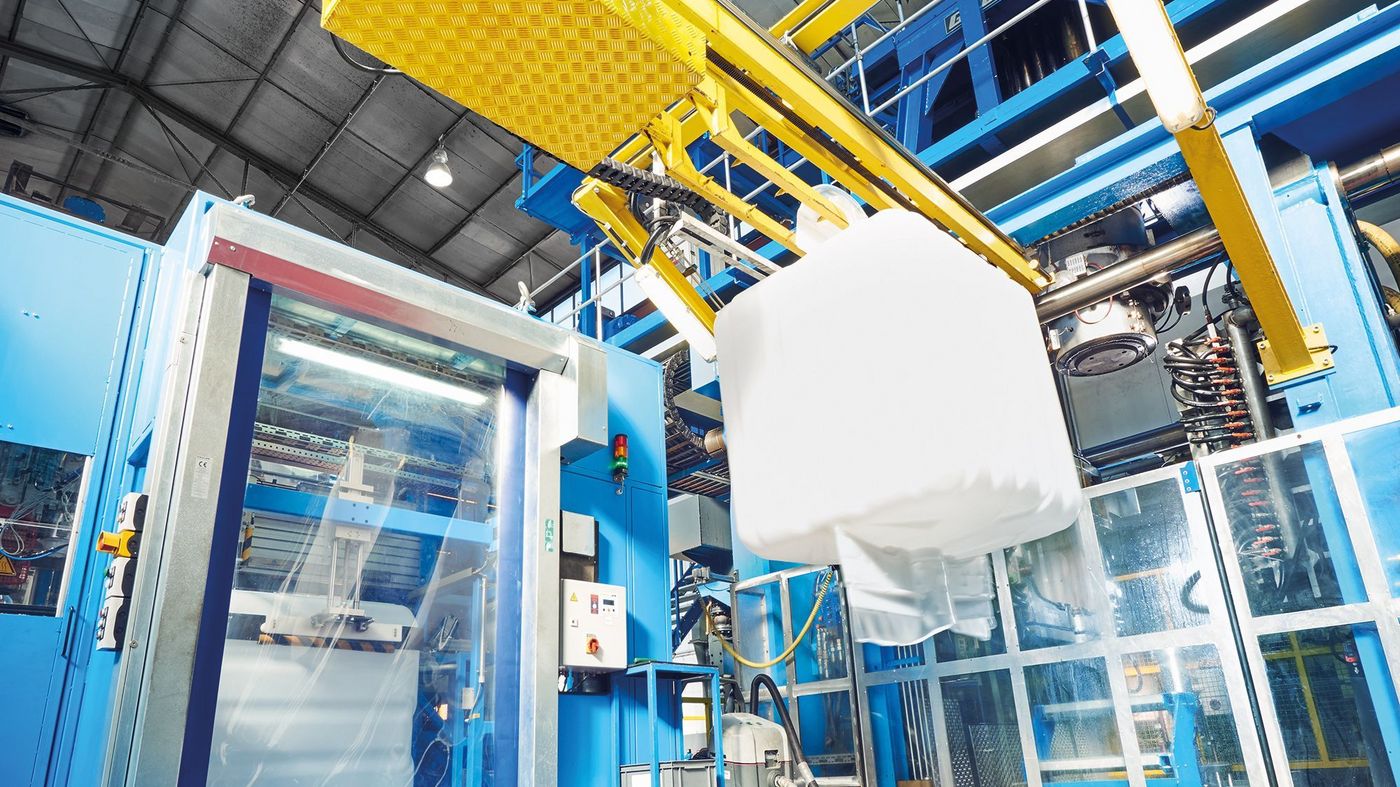
Pallet system Buchholz
New pallet injection moulding system for the production of the EURO H1 hygiene pallet in Buchholz.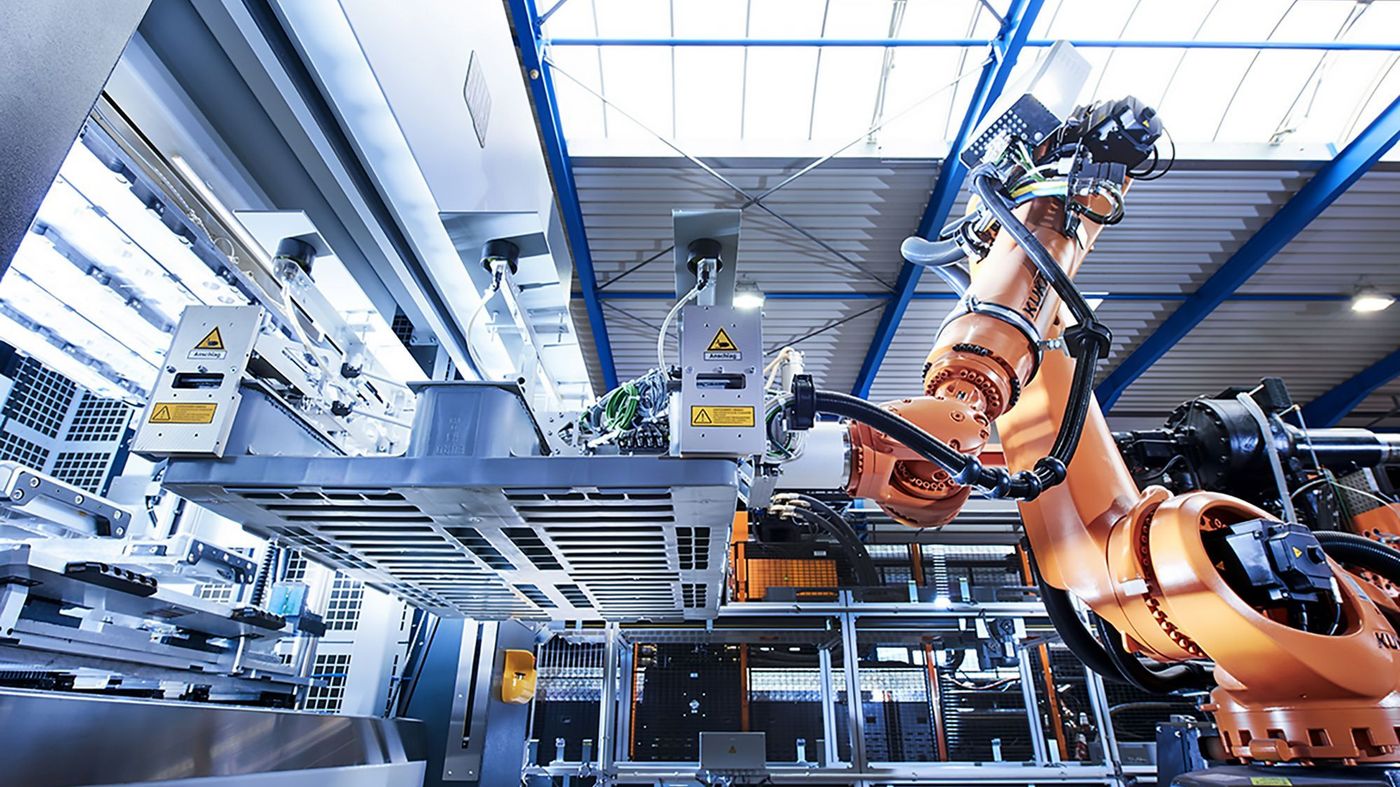
Expansion
Expansion and extension of the sites in Montélimar (France), Błonie (Poland) and Bludenz (Austria).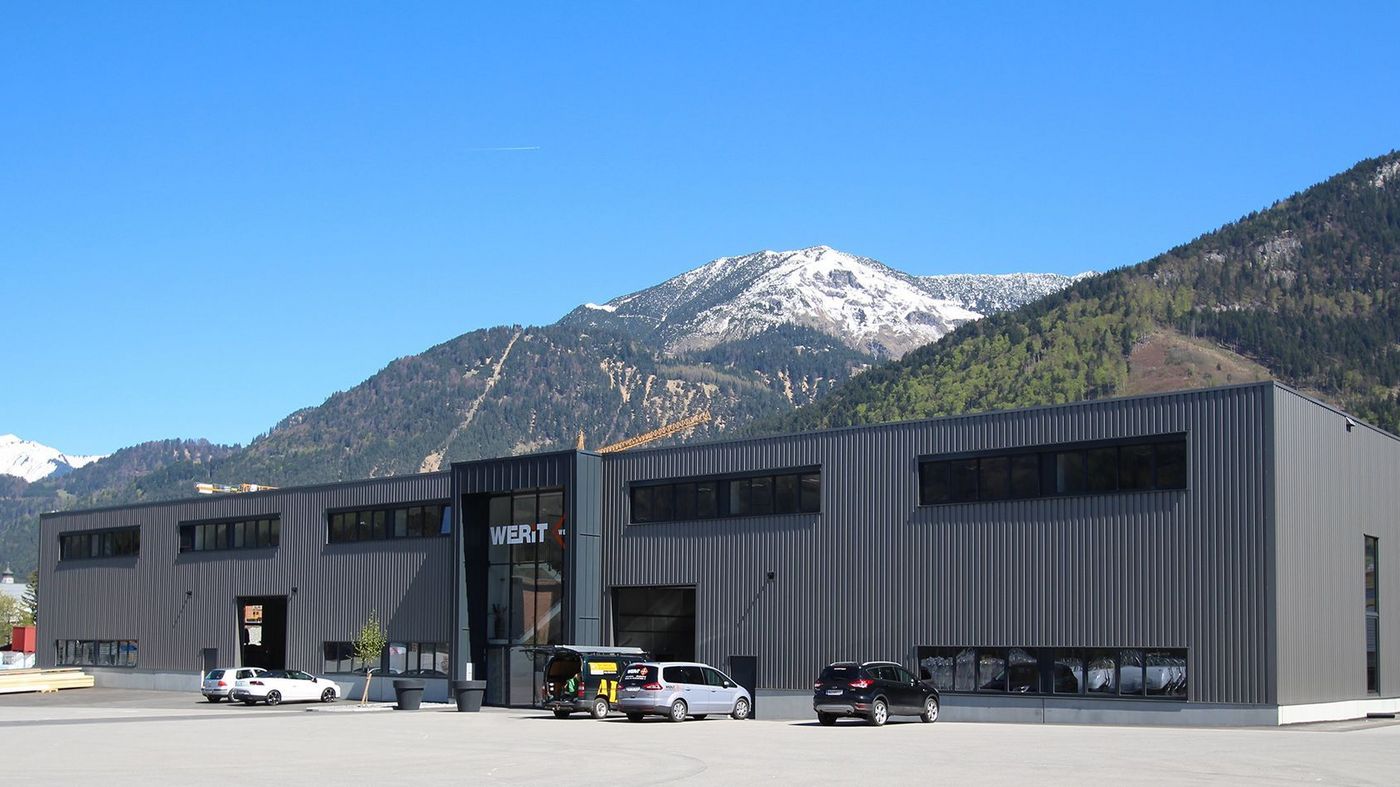
Clean room
Production start of a cleanroom production facility in Altenkirchen (Germany).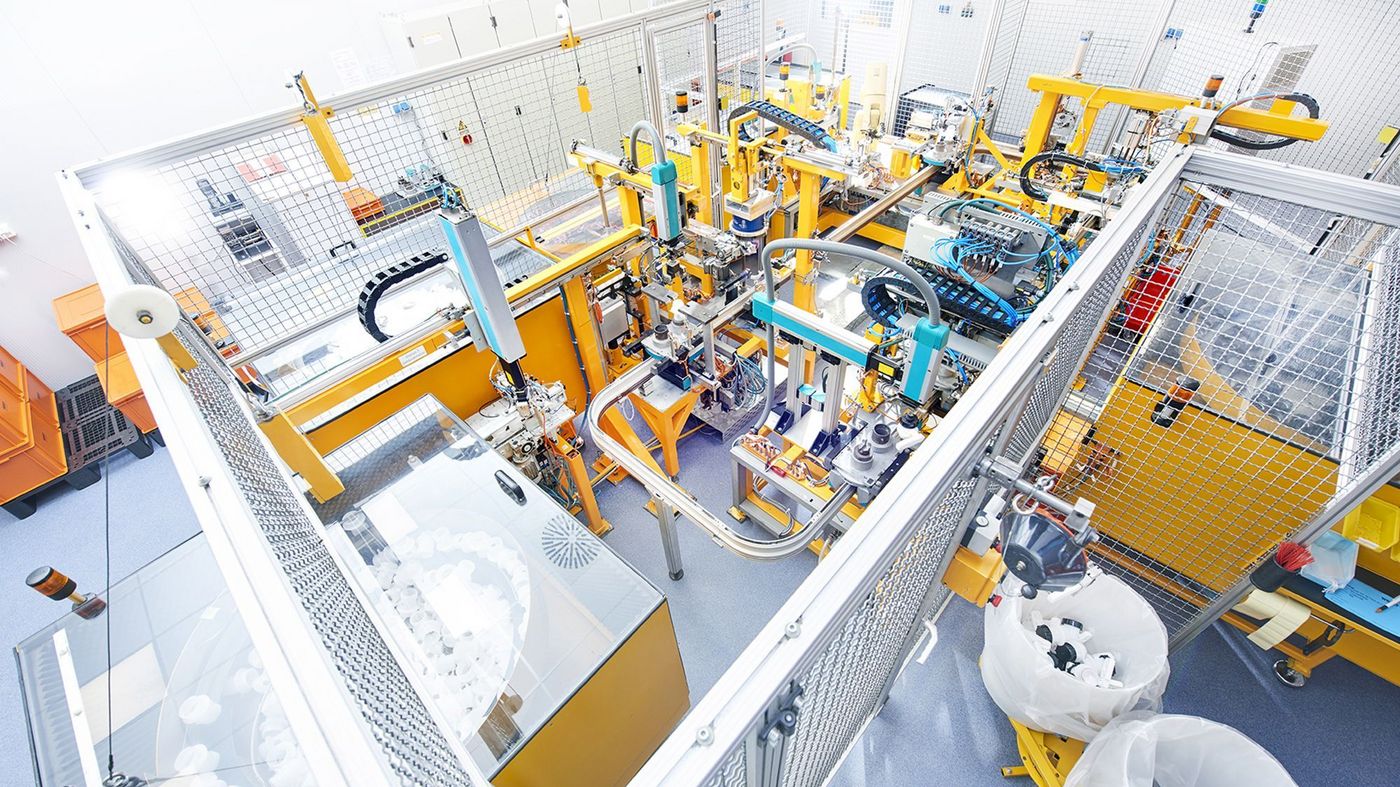
300 litre IBC
Start of production of the world's first 300 litre IBC, the COMPACTline, and expansion of the specifications.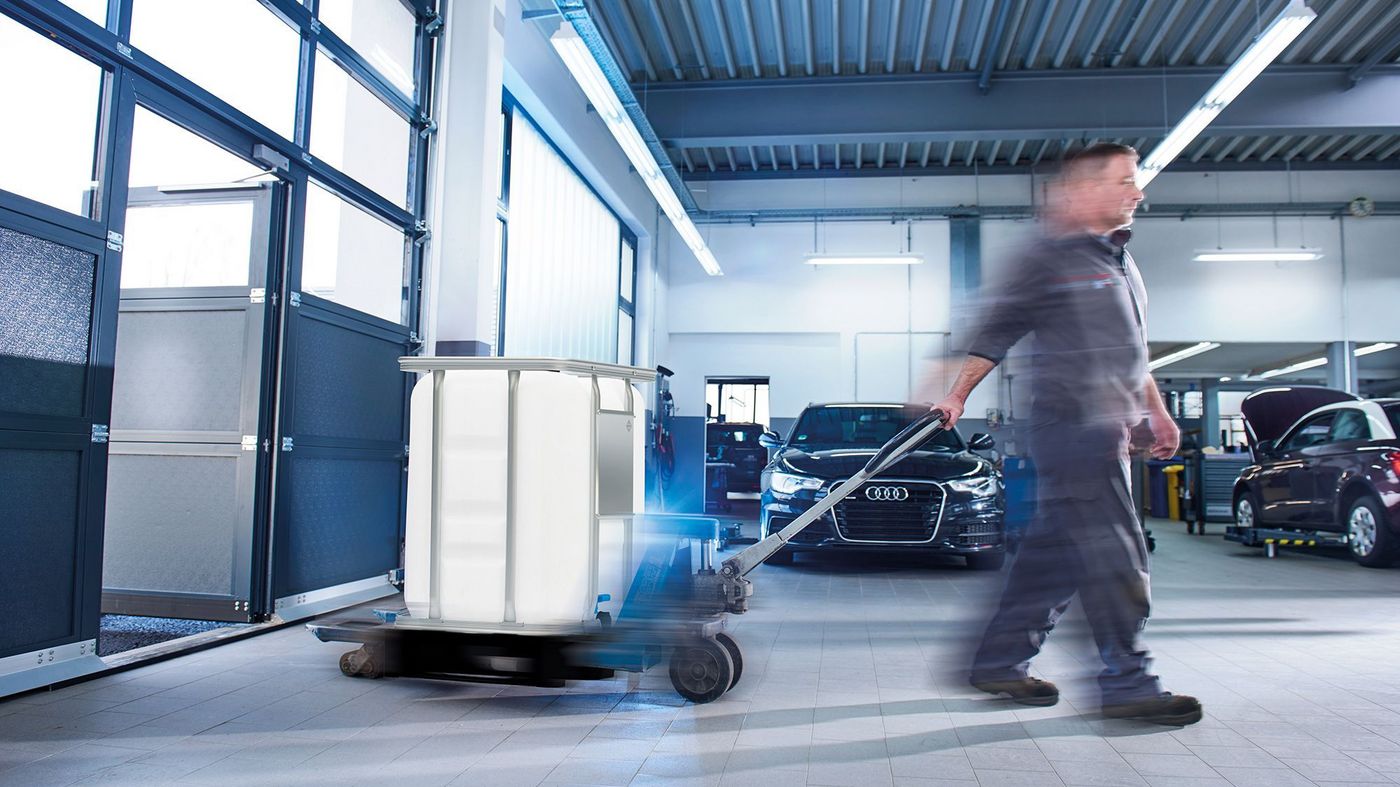
NUTRiline aseptic
NUTRiline^aseptic are radiation-sterilised IBCs for the food industry (FDA, EN 10/2011, Halal, Kosher) that are delivered ready-to-fill. These IBCs are optimised for sterile filling and emptying (including partial withdrawals) and extend the minimum shelf life of sensitive filling goods.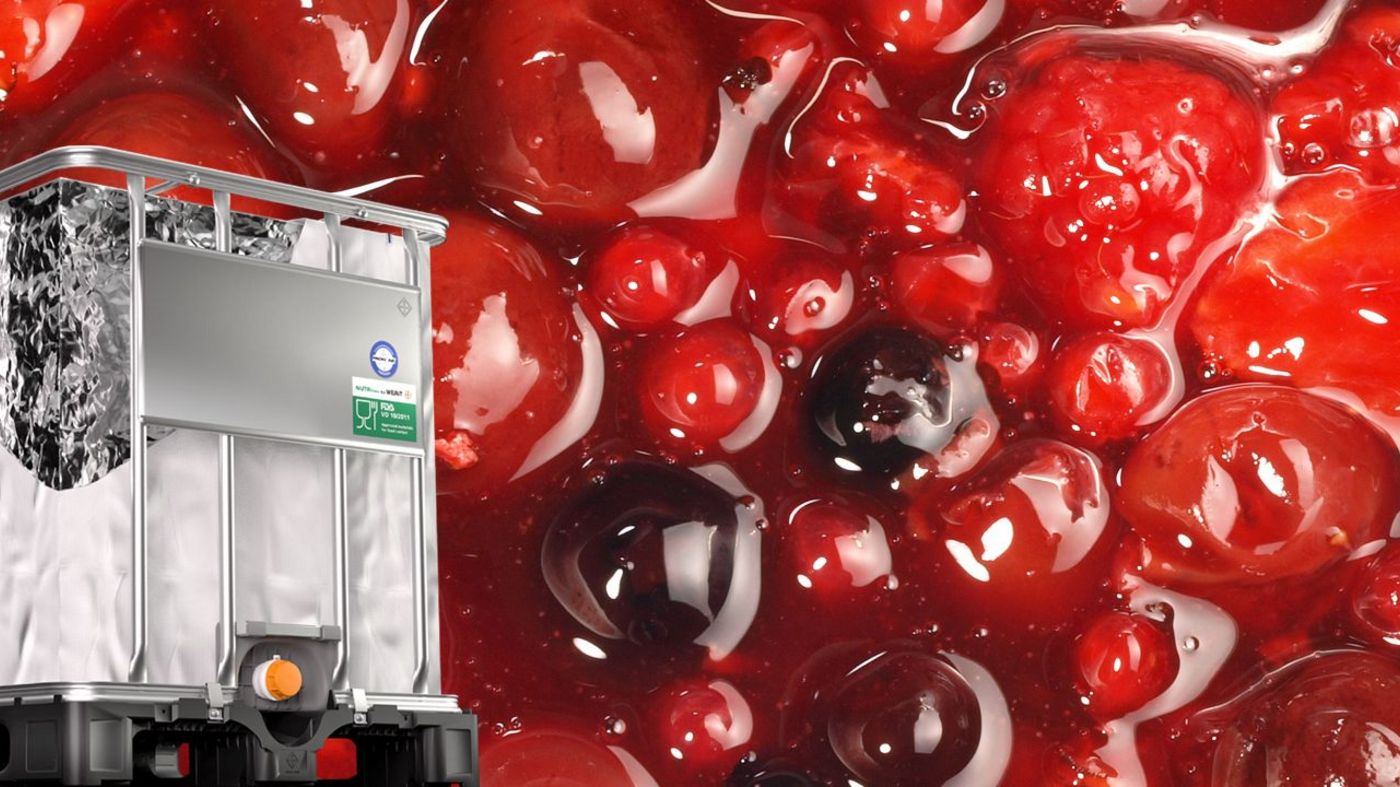
EXCLUSIVE aseptic
The first flush plates with effective efficacy against bacteria and germs.