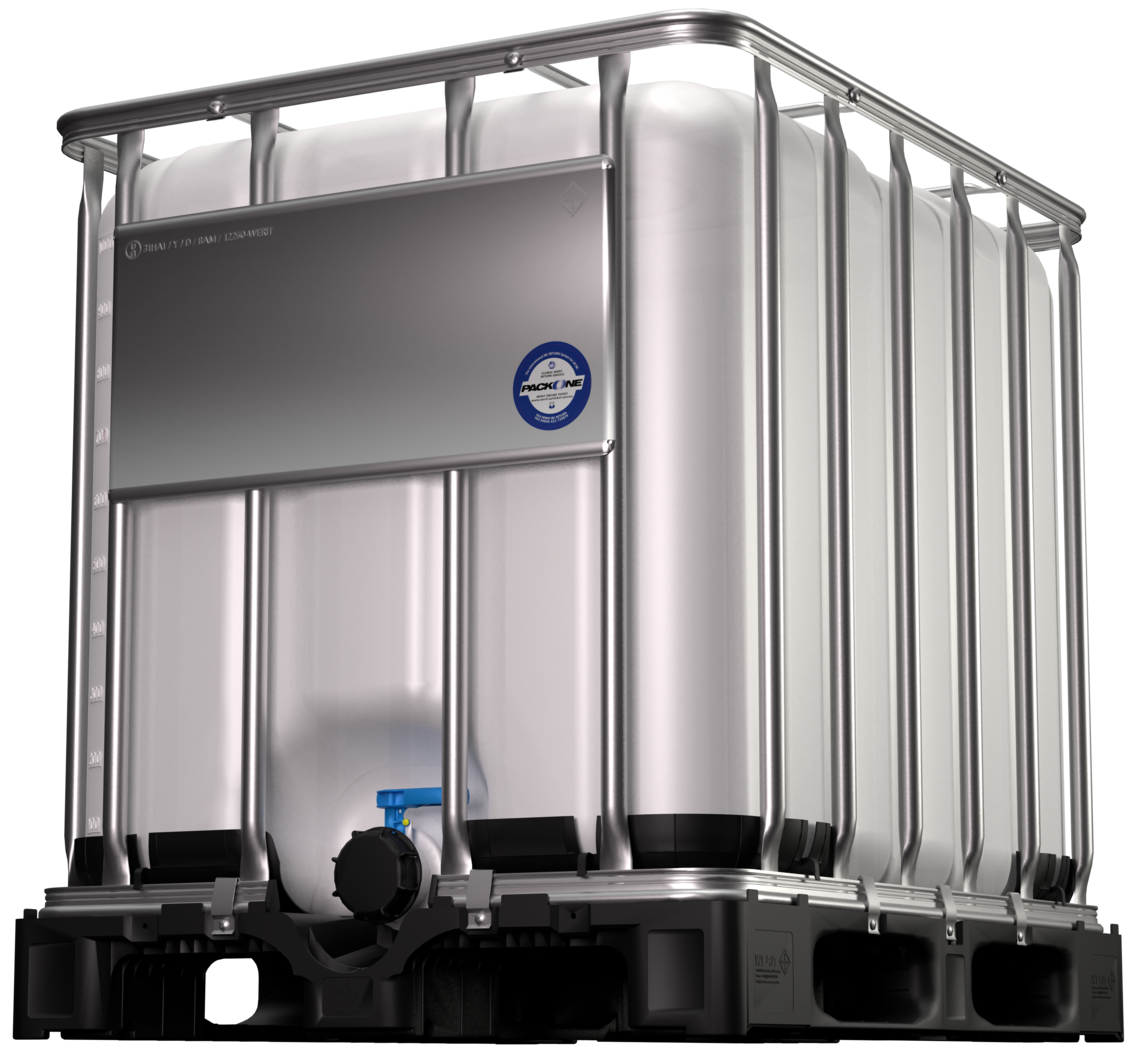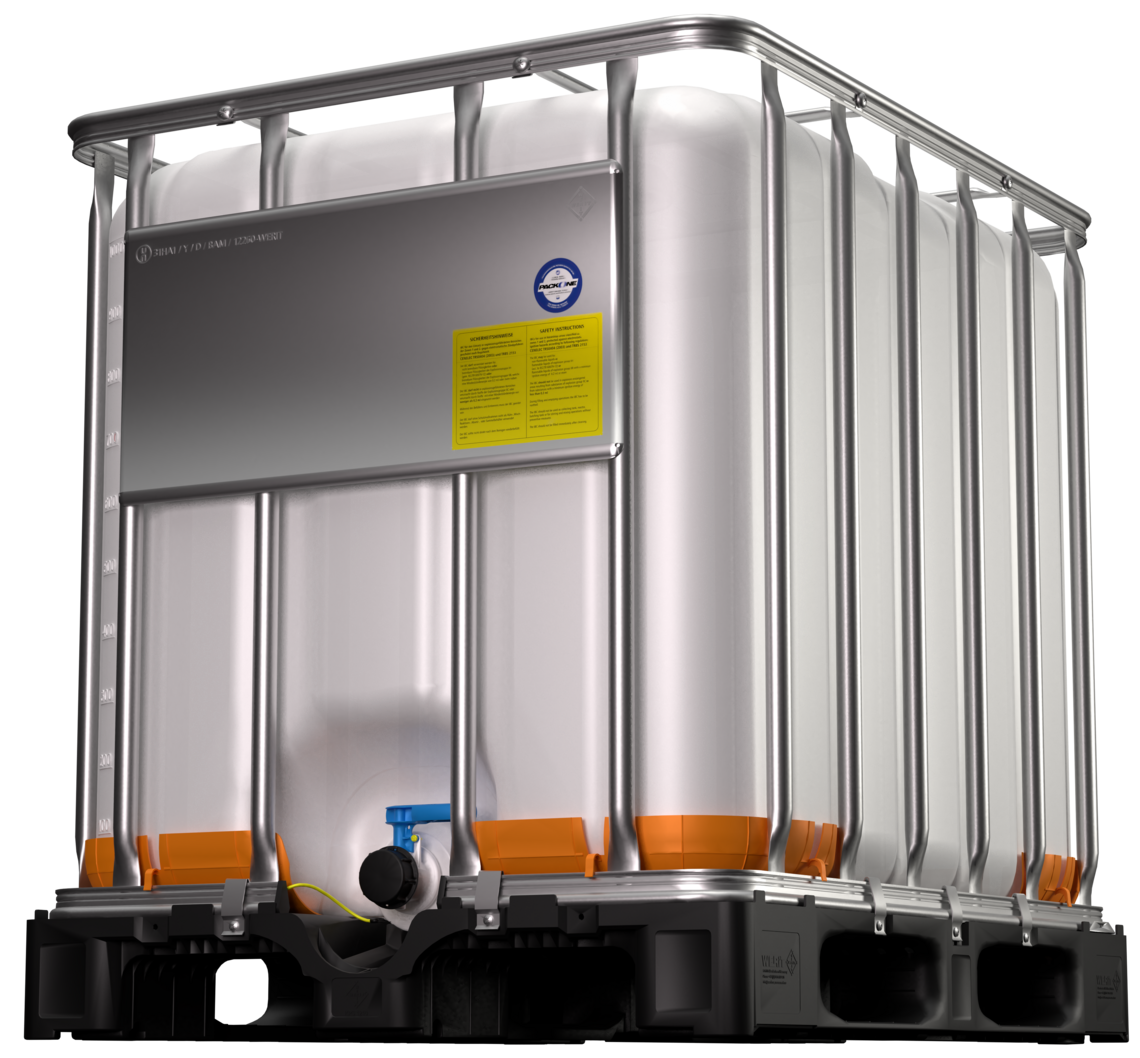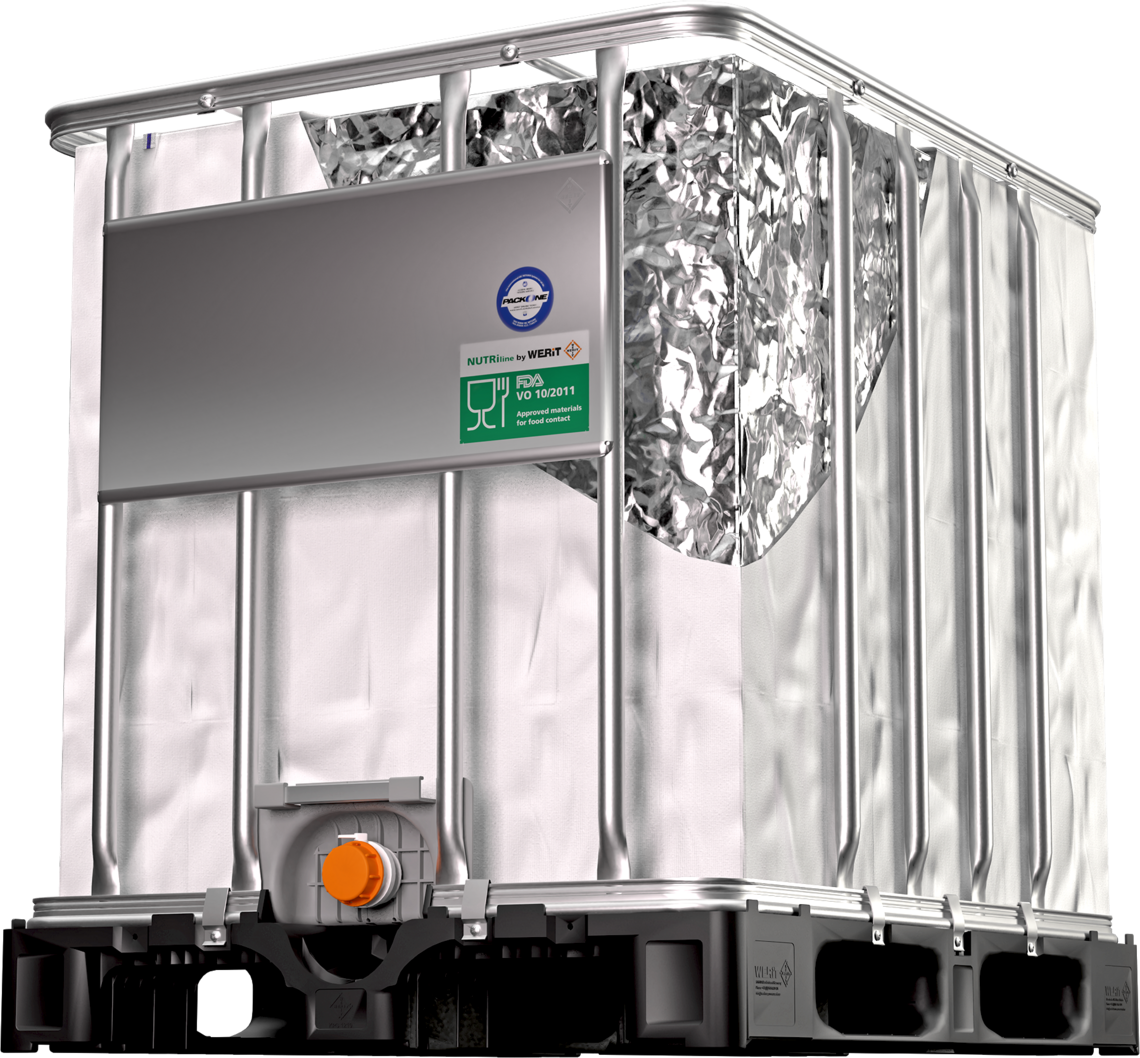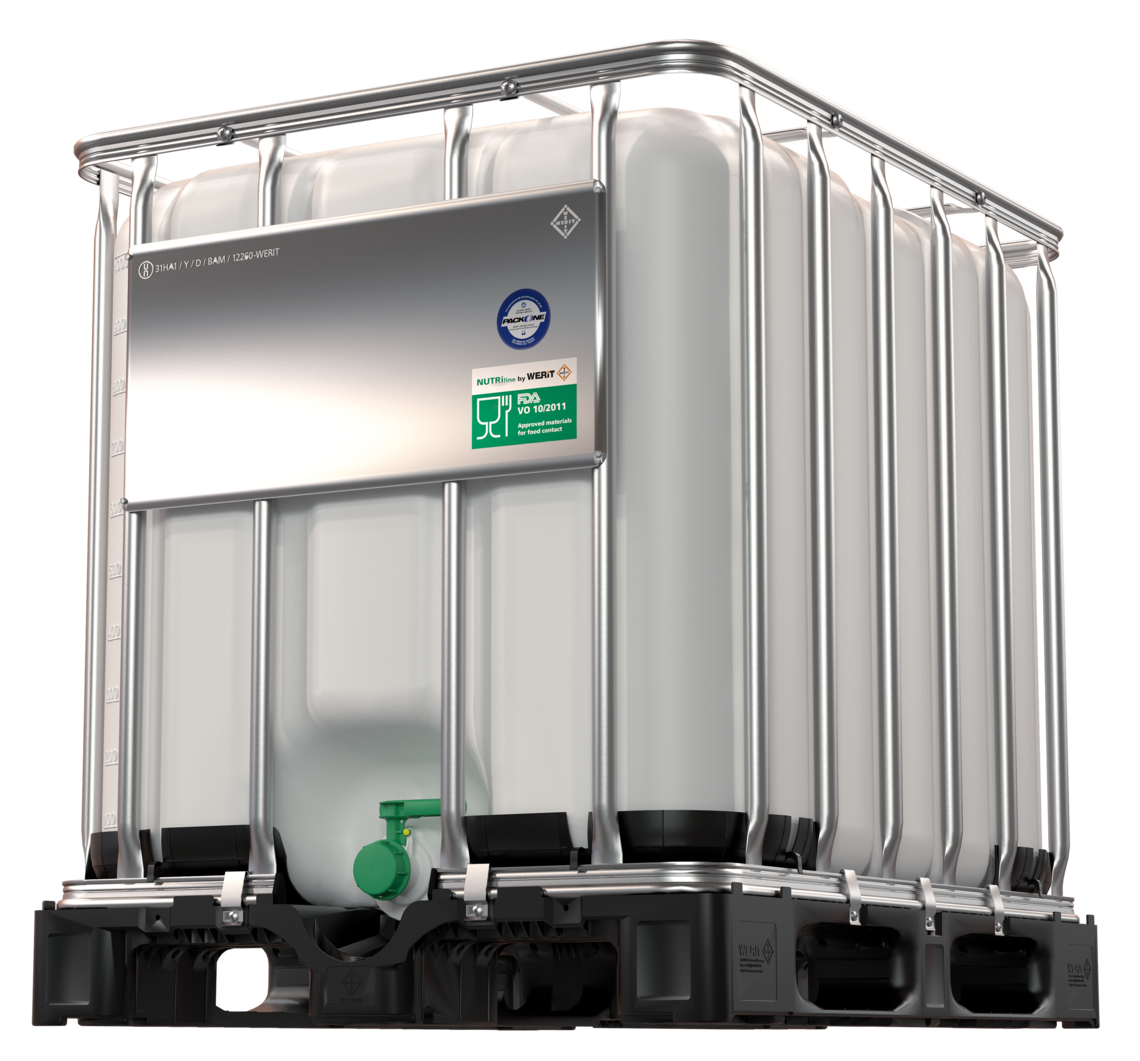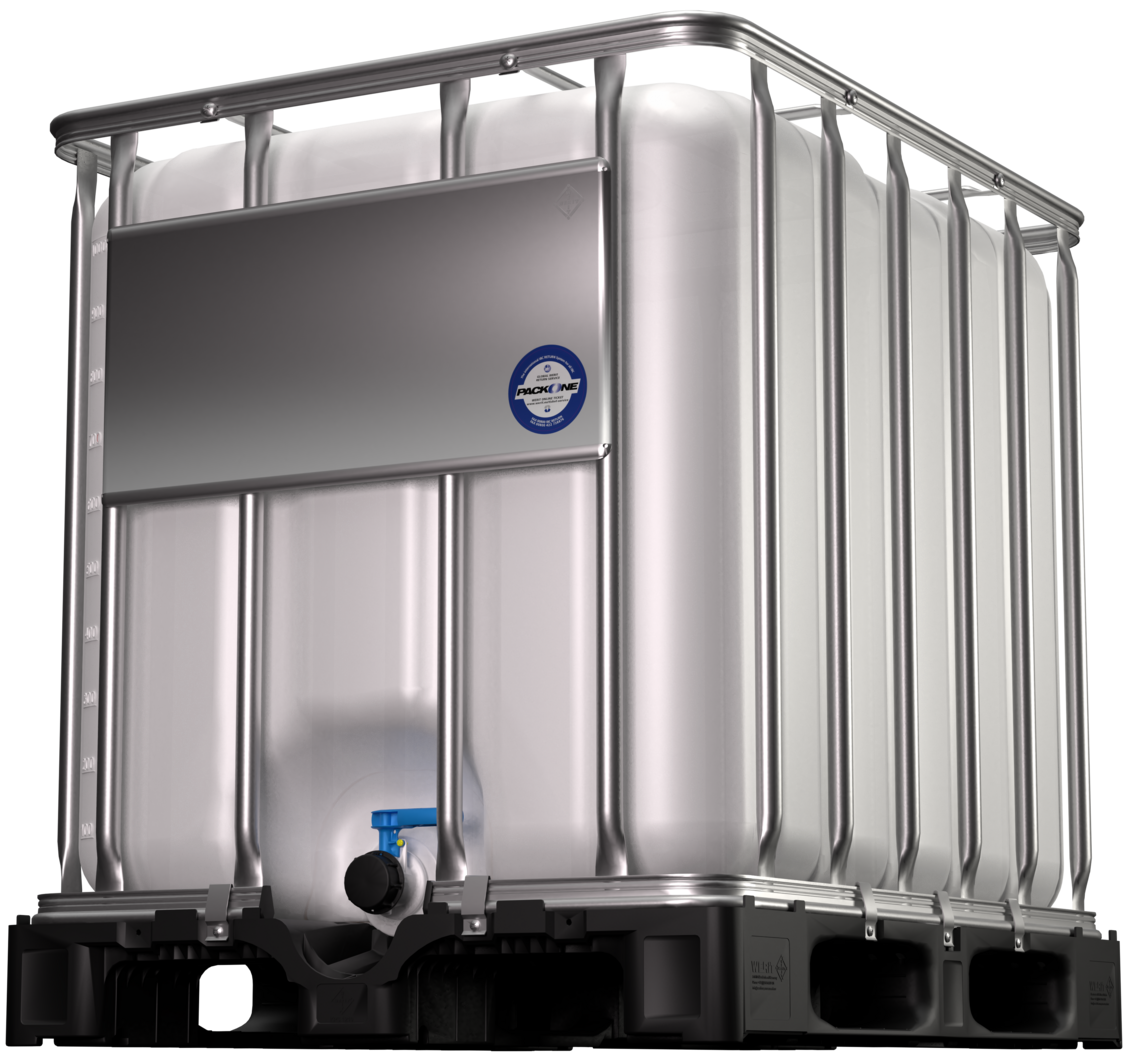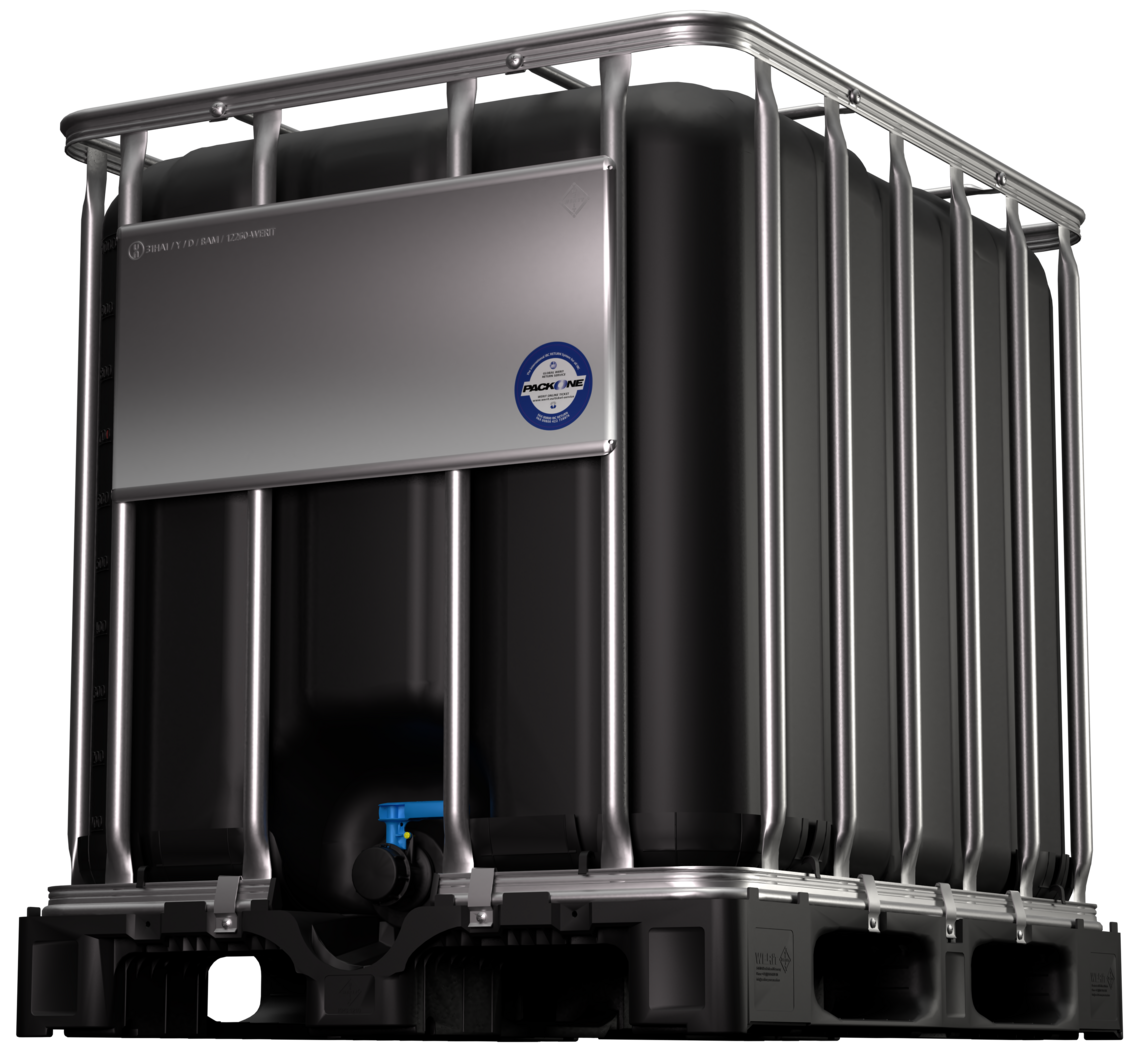
UV and light-protected IBC containers - protection for light-sensitive filling media
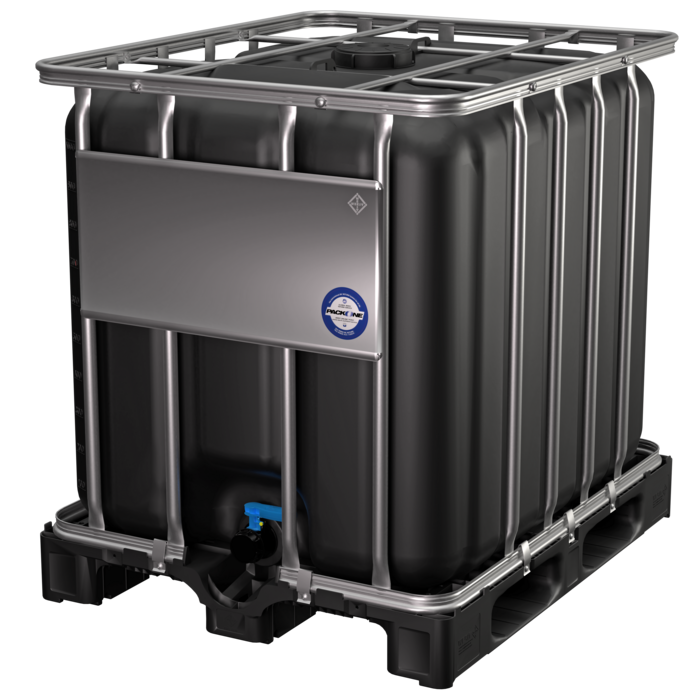
The influence of sunlight plays a decisive role in the storage and transport of light-sensitive liquids. UV radiation and visible light can not only damage the inner container of an IBC (Intermediate Bulk Container) on the material side, but also impair the quality of the contents. To counteract these risks, colour pigments are added to PROTECline IBCs in addition to the UV stabilisers used in the HDPE plastic to protect the filling medium from UV and sunlight.
Why UV protection is important
HDPE (high-density polyethylene), the standard material for modern IBC containers, is generally robust and chemically resistant. However, UV radiation over a long period of time can lead to:
- Material weakening and embrittlement of the plastic,
- Discolouration and increased ageing of the container material,
- and chemically change or degrade light-sensitive filling media.
This increases the risk of loss of function, leaks or loss of quality for sensitive products such as pharmaceuticals, chemicals, food or biological media.
Dimensions
The following dimensions are standardised IBCs for fillers up to a density (Rho) of 1.6
Plastic pallet
Skid pallet
max. 1.6 kg/l
Material: Polyethylene
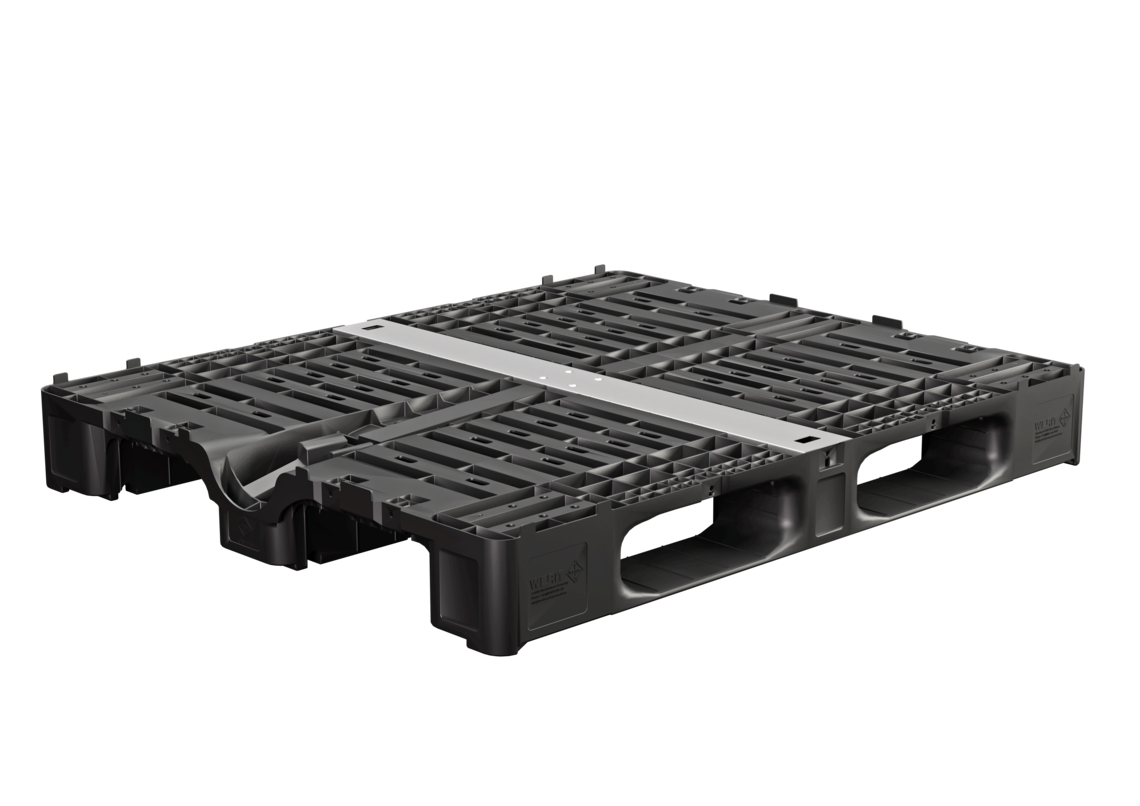
Plastic pallet
Frame range
max. 1.9 kg/l
Material: Polyethylene
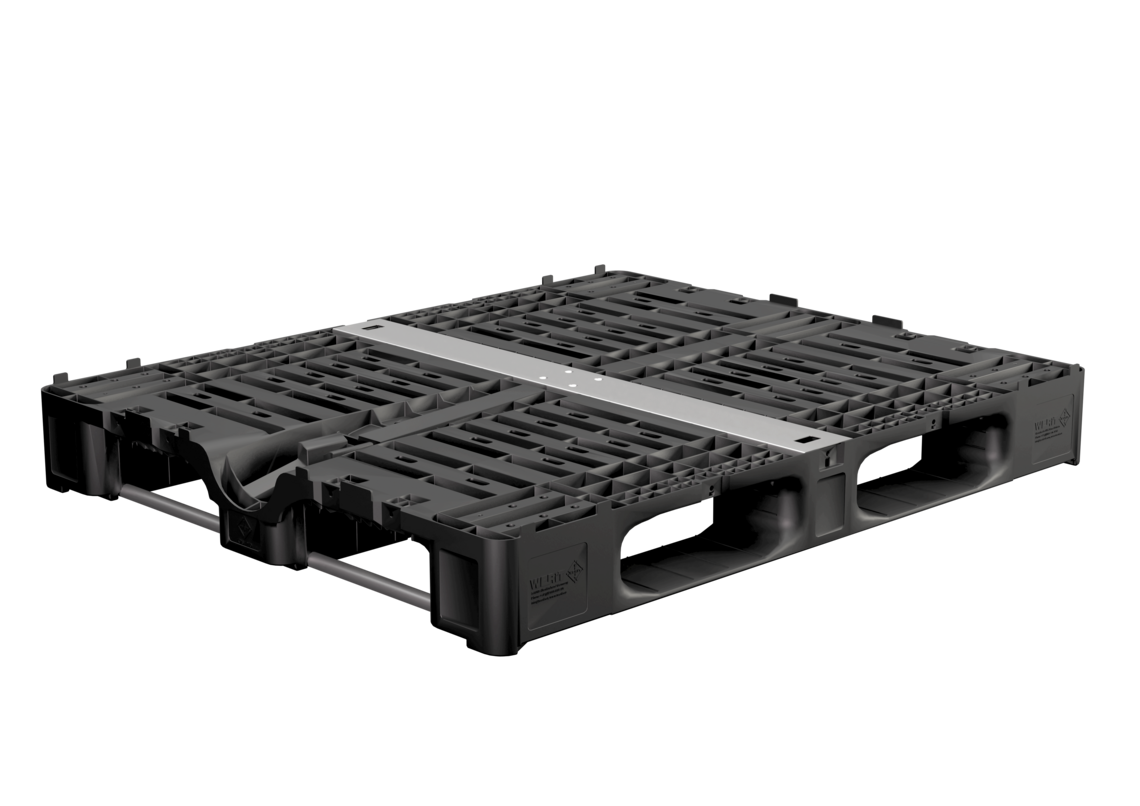
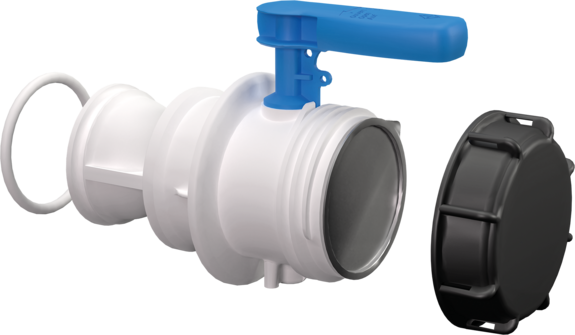
Valves
We offer integrated or interchangeable valves.
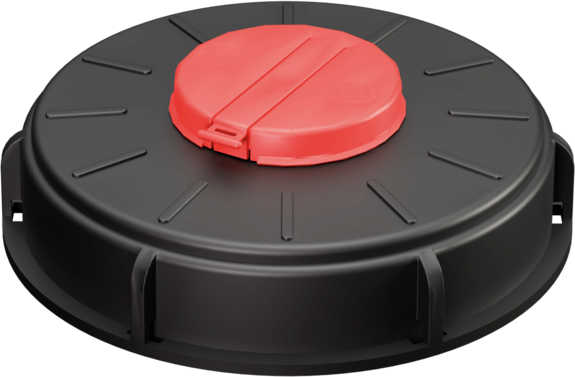
Lids
How UV and light protection works
Pigments and colourants in the plastic matrix, UV protection is often added directly during the production process:
Special colourants or additives that are permanently integrated into the HDPE of the inner container:
- UV radiation is absorbed or scattered before it reaches the contents,
- visible light is blocked or reduced, depending on the choice of colour and composition,
- and the service life of the IBC itself is sustainably increased.
Black or deep-coloured inner containers offer a high level of protection against UV and visible radiation and are particularly suitable for highly light-sensitive applications.
Areas of application
- Chemical industry
- Food & beverage production (with appropriate authorisation)
- Agricultural liquids
- Water and rainwater storage
- Pharmaceutical/biotechnological applications
- Storage under direct sunlight
Black
Effect
High blocking of UV & visible light
Typical advantages
Ideal for rainwater, light-sensitive chemicals, algae prevention
White with special pigments
Effect
Light reflection instead of absorption
Typical advantages
Lower temperature development in the interior, better for heat-sensitive media
FAQ
If an IBC container or IBC tank is black, it is by no means just a matter of colour. The colouring serves a specific purpose, which is primarily to protect against UV rays. At WERIT, we call the corresponding products PROTECline and work with special colourants, so-called additives. When dealing with light-intensive fillers, suitable packaging is often referred to as a "1000 litre black water tank" or a smaller container, the "600 litre black IBC container". Basically, the principle can be compared to that of a brown or dark green drinks bottle, whereby the black colour offers even more comprehensive UV protection. Although HDPE is basically a stable material, it can suffer from massive UV radiation and lose elasticity.
We always recommend storing in a shady place if possible. A white colour version is also available on request.
IBC containers are UV-resistant to a certain degree. This cannot be determined exactly in advance, but it can be said that HDPE is an extremely stable and durable material. The "HD" in the name stands for high density, while PE simply refers to polyethylene as a material. Volumes of 300, 600, 800 or 1,000 litres are possible, and the standard version is suitable for fillers with a density of up to 1.6 g/cm³. The dimensions correspond to those of a pallet or half pallet: the 600 litre version fits a Euro pallet measuring 1,200 x 800 millimetres, the 300 litre version is half the size at 600 x 800, and the industrial pallet measures 1,000 x 1,200 millimetres.
With IBC containers in black, the UV protection often raises the question of how to store petrol or diesel. In principle, the UN hazardous substance labelling must be observed here and special strength is required. The reason for this is the volatility of petrol and the possible expansion of the container. In addition, earthing must be ensured due to the risk of explosion. The storage of diesel in IBC containers is mainly found in agriculture and special authorisation is also required here. What is practical here is that with a volume of up to 1,000 litres in the IBC, above-ground storage is possible without a separate collecting device and can therefore simply be stored on pallets.