Rainwater utilisation as the key to sustainable water supply
While the consumption of drinking water is continuously increasing in many areas, there is not enough clean water available everywhere. The use of rainwater offers a sensible and sustainable solution. Rainwater utilisation systems make it possible to efficiently collect, store and treat rainwater for various purposes. Especially in households, public buildings or farms, rainwater can be used for flushing toilets, watering gardens or even - after appropriate treatment - as drinking water. This saves precious drinking water and reduces the burden on the environment. This paper deals with the structure, functionality and possible applications of rainwater utilisation systems. The aim is to demonstrate the potential of this technology in terms of resource conservation, cost efficiency and sustainability.
There are various ways to utilise rainwater sustainably:
- Rainwater utilisation for garden irrigation
- Rainwater utilisation for domestic installations
- Transformation of rainwater into drinking water
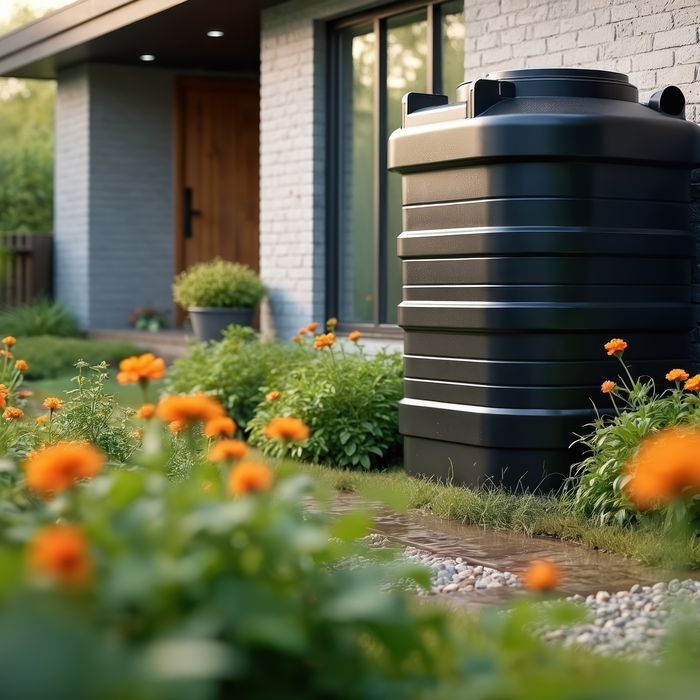
Our plastic tank is the centrepiece of your new garden rainwater system. It can be easily connected to an existing rainwater pipe, as the filter has no height offset between the inlet and outlet. The half shells even fit through doors if the garden is behind the house. This makes it ideal for retrofitting. You save on drinking water and waste water charges when watering the garden and your plants will love the soft rainwater. Subsequent rainwater infiltration with the same tank elements is also ideal.
Wide range of applications for rainwater utilisation systems in everyday life and business
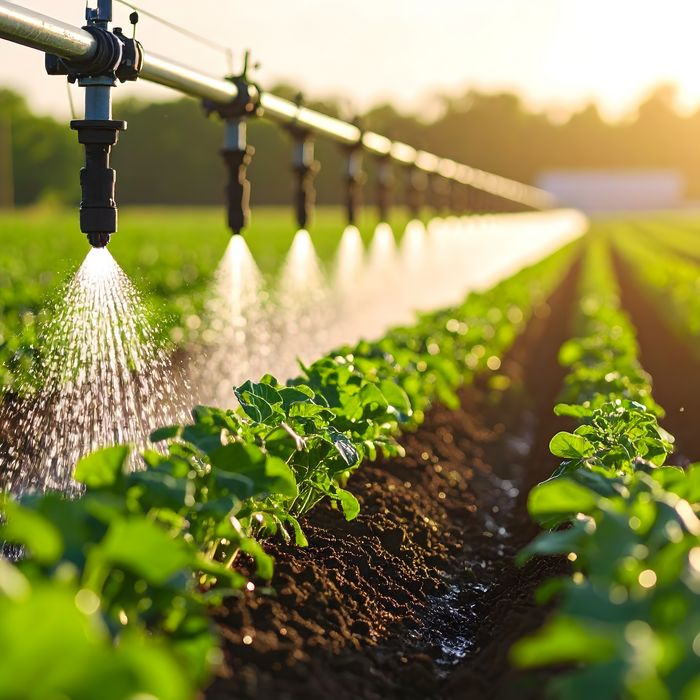
The utilisation of rainwater offers a sustainable solution for conserving valuable drinking water resources. Rainwater utilisation systems collect, store and treat rainwater for a wide range of applications - from irrigation to drinking water - and thus make an important contribution to efficiency and environmental protection.
- Private households
For watering the garden, flushing the toilet, washing machine or washing the car. - Public buildings
Schools, kindergartens, sports facilities or public authorities use rainwater to reduce operating costs. - Commercial and industrial
Use in processes where drinking water is not required (e.g. cooling water, cleaning water). cooling water, cleaning water). - Agriculture
For the irrigation of fields, greenhouses or for animal husbandry. - Urban development / rainwater management
As part of sustainable urban development to relieve pressure on the sewerage system and prevent flooding.
Special features of our rainwater utilisation systems
- System for rainwater collection and storage:
Typically consists of roof surfaces (as collection areas), gutters, filters, a storage tank (e.g. cistern) and a conveyor system (pump). - Easy integration into existing buildings:
Rainwater utilisation systems can be installed in new buildings as well as retrofitted. - Adaptable to requirements and location:
The size and equipment can be planned flexibly depending on the amount of precipitation and intended use. - Difference to drinking water systems:
Rainwater is (usually) not intended for direct human consumption, but for so-called non-drinking water applications (except in the case of special treatment).
Efficient rainwater utilisation systems for the home
- Water and cost savings
Reduces the consumption of chargeable drinking water, especially when water consumption is high.
Example:
For a typical detached house with a roof area of 100m2, you can collect up to 80m³ per year in Germany. Assuming that you only collect 20m³ and use it for watering the garden, you save an impressive €100.00 per year with average drinking water and wastewater costs of €5.00/m³. With investment costs of around €500.00, your system will have paid for itself after just 5 years.
- Relief for wastewater systems
Less surface runoff means less risk of flooding and less strain on the sewage system. - Environmental protection & sustainability
Conservation of natural water resources, especially in regions with declining groundwater levels. - Contribution to climate protection
Lower energy consumption for water supply and wastewater treatment. - Independence in the event of supply bottlenecks
Useful in dry regions or when there are temporary restrictions on the public water supply.
Find out more about our rainwater harvesting solutions in the ‘Sustainable Water Technology’ catalogue: